A lot of buyers only start looking for takeoff tires for sale after they hit a wall with regular tire channels. The size is uncommon, the application is commercial, the tread pattern matters, or the price on new replacement tires does not make sense for the job. That is where takeoffs become a practical buying category – especially for fleets, contractors, farmers, resellers, and anyone running equipment that needs usable inventory without paying new-retail pricing.
What takeoff tires for sale actually mean
A takeoff tire is typically a tire removed from a vehicle or piece of equipment before it is fully worn out. In some cases, it comes off a new unit during an upgrade, a fleet spec change, or a wheel and tire package swap. In other cases, it may be lightly used and pulled early because the application changed, not because the tire failed.
That distinction matters. A true takeoff is not the same thing as a junk tire, and it is not automatically equal to new old stock either. It sits in a middle ground that can offer strong value if the size, condition, and intended use all line up.
For commercial and specialty buyers, that value is usually simple. You may be able to source brand-name inventory with remaining service life at a fraction of the cost of new replacements. If you are buying for a farm truck, a military vehicle restoration, a trailer, an off-road rig, industrial equipment, or resale stock, that difference can move the numbers in your favor fast.
Why buyers look for takeoff tires for sale
The first reason is cost. New tires in commercial, agricultural, military, OTR, and specialty categories can get expensive quickly, especially in larger sizes or harder-to-find tread patterns. Takeoffs can reduce replacement cost while still delivering usable tread and recognized brand quality.
The second reason is availability. Some buyers are not shopping by brand alone. They need a specific size, load range, construction type, or military-spec fitment that local tire shops do not keep on hand. Surplus and specialty inventory often fills that gap.
The third reason is application fit. Not every machine needs premium new rubber. If a tire is going on a secondary trailer, a seasonal farm unit, a restoration project, a yard truck, or equipment that sees limited annual mileage, takeoffs can be the smarter buy. The key is being honest about the workload. For high-mileage highway service or critical daily fleet use, the lower upfront cost has to be weighed against remaining life and replacement timing.
What to check before you buy
Takeoffs are not a one-size-fits-all category. Two tires can have the same size stamped on the sidewall and still be very different in age, wear pattern, casing condition, and application value.
Start with the basics: size, load rating, ply or load range, speed rating if relevant, and overall tire type. A mud-terrain takeoff and a highway rib takeoff serve different jobs. The same goes for radial versus bias construction in some equipment categories.
Then look at condition. Tread depth matters, but it is not the whole story. A tire with decent tread can still be the wrong buy if it shows irregular wear, sidewall damage, puncture repairs in sensitive areas, weather checking, bead damage, or signs of poor storage. For dual applications, you also need to think about matching. One decent tire may not help much if you need a usable pair or a full set with close overall diameter.
Age matters too, but the right answer depends on use. A buyer sourcing tires for low-speed off-road equipment will often evaluate age differently than a buyer outfitting a highway truck. That is why condition notes and intended application need to be considered together, not separately.
New old stock, used, and takeoffs are not the same
This is where many buyers make bad assumptions. New old stock means unused inventory that has been in storage. Used means the tire has seen service. A takeoff is usually a subset of used inventory, but often with lighter service history than a standard used tire.
That does not mean every takeoff is low-mileage or equal in condition. Some are near-new. Some have meaningful wear but still plenty of working life left. The listing details should tell the story. If they do not, ask for the tread depth, condition notes, and any visible repair or storage information before committing.
For buyers who know exactly what they are looking for, this category can be efficient. For buyers who treat every used tire listing as interchangeable, it can be expensive for the wrong reasons.
Best applications for takeoff inventory
Takeoff tires make the most sense when the job calls for durability and value, not showroom freshness. That is why they are popular in commercial and utility-driven segments.
Farm use is a common fit. A grain truck, wagon, implement, or seasonal unit may not justify the cost of brand-new tires if the machine sees limited road time. Off-road and mud applications are another strong use case, where cosmetic wear matters less than carcass condition and usable tread. Military vehicle owners and restoration buyers also look at takeoffs when they need specialty sizes or period-correct fitment that standard retailers do not stock.
Truck resellers, independent shops, and wholesale buyers also work this inventory differently. They are not only buying for immediate installation. They may be buying by size, brand, or tread category to support resale demand, fill shop inventory, or capture margin on hard-to-source casings and mounted assemblies.
When takeoff tires are not the right call
There are trade-offs, and serious buyers should look at them directly. If your truck runs long interstate miles every week, if downtime costs more than the tire itself, or if the application involves strict safety and compliance standards, new tires may still be the better business decision.
The same goes for buyers who need exact matching sets with predictable wear life across all positions. Takeoffs can work in those cases, but the inventory has to be right. If you cannot source a properly matched group, the lower initial price may be offset by uneven replacement schedules later.
There is also a labor factor. Mounting, balancing, checking, and rotating used inventory still costs time and money. A cheap tire is not really cheap if it creates repeat shop time or early replacement.
How to shop takeoff inventory the smart way
Good buyers do not shop this category by price alone. They shop by fitment first, then condition, then total value.
Start by narrowing down the exact size and acceptable substitutes, if any. Confirm the intended application, especially if the tire will be used on steer, drive, trailer, off-road, or mixed service. Then look at the brand and tread pattern. In surplus channels, recognized names like Michelin, Goodyear, Bridgestone, BFGoodrich, and other established manufacturers can offer a level of casing confidence that matters.
After that, review the listing details closely. Condition notes should be clear. Photos should show the tread, sidewalls, and bead areas if possible. If you are buying in volume, ask whether the inventory is consistent across the lot or mixed by wear and date. Wholesale buyers in particular need to know if they are purchasing a clean matched group or a broad-condition liquidation lot.
Shipping also matters more than some buyers expect. Large truck, OTR, farm, and military tires are not simple parcel items. Freight costs, border movement, and delivery access can affect the final landed price. A specialized seller with cross-border capability can save time here, especially for buyers in the US sourcing from broader surplus inventory.
Why surplus channels matter in this market
Mainstream tire sellers are built around fast-moving consumer sizes and standard replacement demand. That works fine until you need uncommon fitment, military-spec inventory, industrial tread, aircraft-related stock, or larger off-road and commercial casings. At that point, specialty surplus channels are often the only market with real depth.
That is where a seller like MilitaryTires.ca stands out. The value is not just lower pricing. It is access to inventory categories that are difficult to source through regular retail channels, plus the ability to buy direct, buy in bulk, or watch auction activity when pricing matters.
For experienced buyers, that kind of inventory access is often more important than polished retail presentation. If the specs are clear, the condition is disclosed, and the product is available, the transaction makes sense.
The real value of takeoffs
Takeoff tires are not a shortcut and they are not a gamble by default. They are a buying category with a clear purpose. If you know the application, verify the specs, and buy from inventory that is described honestly, they can be one of the most efficient ways to keep trucks, equipment, trailers, and specialty vehicles working without overpaying.
The best buy is not always the cheapest tire on the page. It is the one that fits the job, arrives as described, and gives you enough service life to make the numbers work.


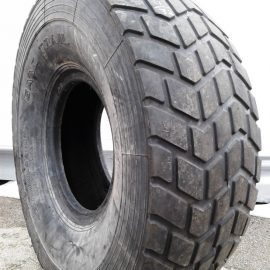 450/80R20 M.O.V. SAND TRAIL
3 × $150.00
450/80R20 M.O.V. SAND TRAIL
3 × $150.00 
 19.5LR24 GOODYEAR IT510
1 × $350.00
19.5LR24 GOODYEAR IT510
1 × $350.00  12x7 UTV/ATV Wheel
5 × $50.00
12x7 UTV/ATV Wheel
5 × $50.00  18x5.7-8 Goodyear MWL-6
1 × $245.00
18x5.7-8 Goodyear MWL-6
1 × $245.00  16 inch AIRCRAFT WHEEL
1 × $750.00
16 inch AIRCRAFT WHEEL
1 × $750.00 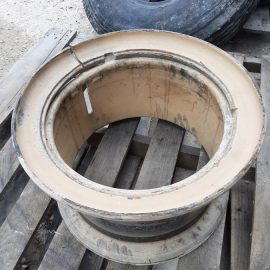 15x7.50 Dayton Wheel
4 × $105.00
15x7.50 Dayton Wheel
4 × $105.00  14.00R20 Michelin XL
1 × $500.00
14.00R20 Michelin XL
1 × $500.00  H44.5X16.5R21 MICHELIN AIR X
1 × $1,945.00
H44.5X16.5R21 MICHELIN AIR X
1 × $1,945.00  15x7.5 L Rim 10 Hole Budd Wheel
3 × $95.00
15x7.5 L Rim 10 Hole Budd Wheel
3 × $95.00  35x11.5-17 Goodyear aircraft rib
1 × $275.00
35x11.5-17 Goodyear aircraft rib
1 × $275.00 
