

Uncategorized
Military Tires for Sale: What Buyers Need
May
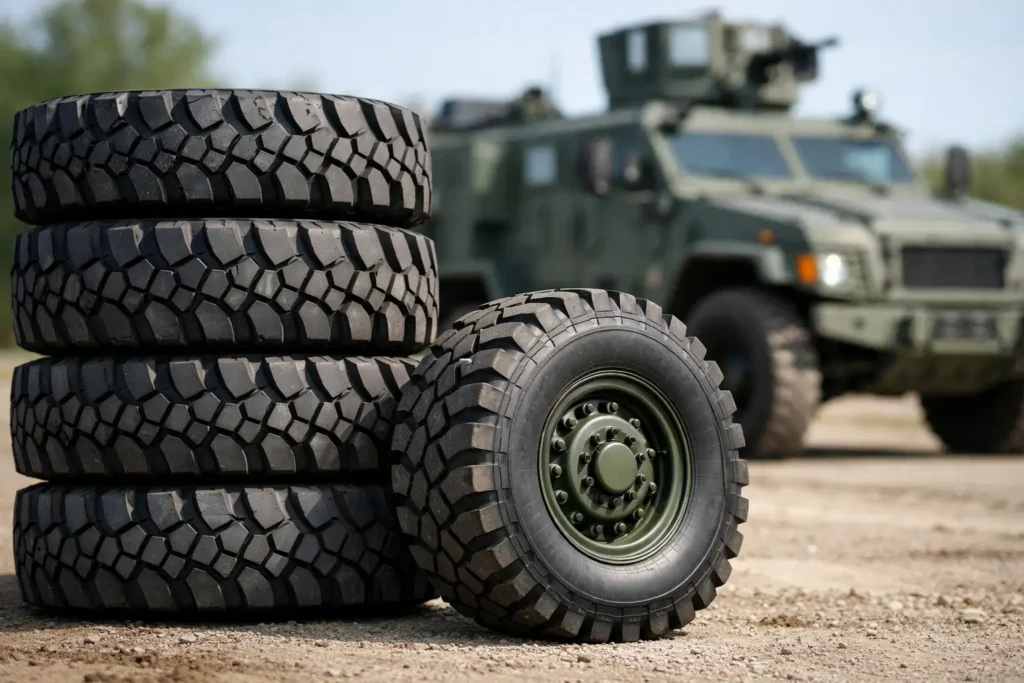
If you are searching for military tires for sale, you usually are not browsing for looks. You are trying to solve a fitment problem, replace hard-to-source rubber, keep equipment moving, or buy surplus inventory at the right price before it disappears. That changes how you shop. Brand matters, but so do casing condition, exact size, tread type, load capacity, and whether the tire is new old stock, used, or a takeoff.
This is a category where generic tire shopping advice does not help much. Military tires sit closer to commercial, industrial, and off-road purchasing than consumer replacement buying. The right deal is not always the lowest price. It is the tire that matches the job, the wheel, the machine, and the budget without creating a problem after delivery.
How to shop military tires for sale without guessing
The first thing to lock down is application. A tire that works for a military truck restoration may be wrong for a farm trailer, a rock buggy, a service truck, or industrial equipment. Buyers often start with tread and appearance, but the better place to start is size, load range, ply rating, and intended use.
Military tires are often built for rough service, heavy loads, and low-speed durability. That can be a major advantage if you are outfitting equipment for off-road use, site work, utility service, or a specialty vehicle. It can also be a mismatch if you expect quiet highway manners, easy replacement cycles, or standard light-truck sizing. Some surplus military tires are excellent value. Some are only excellent if the machine and use case actually fit the tire.
When inventory is specialized, exact specs matter more than broad category labels. A buyer who knows the casing size, NSN-related fitment references, wheel requirements, and acceptable age range will usually make a better purchase than a buyer who only knows the tire “looks right.”
New old stock, used, and takeoffs are not the same
This is where a lot of buyers either save real money or make an expensive mistake. New old stock means unused inventory that may have been in storage for years. That can be a strong option when you need a rare size or military-spec build that is no longer easy to source through standard channels. The upside is original tread and no prior service wear. The trade-off is age. Storage conditions matter, and age matters, especially if the tire will see highway use, high heat, or regular heavy-duty cycles.
Used inventory is different. A used military tire may still have a lot of useful life left, especially in off-road, agricultural, or site applications where cosmetic wear is less important than remaining tread and casing integrity. But buyers need to read condition notes carefully. Tread depth alone does not tell the full story. Repairs, weathering, shoulder wear, sidewall condition, and bead area condition all matter.
Takeoffs sit in their own lane. These are often removed from serviceable equipment before the tire is fully worn out. Sometimes that creates strong value, especially for buyers who need matching sets or OEM-type fitment at a lower price than new supply. Sometimes takeoffs are available because the original user changed spec or application, not because the tires failed. That can work in your favor, but only if you verify what you are getting.
What serious buyers should check before ordering
For military tires for sale, the buying checklist needs to be tighter than it would be for standard consumer tires. Start with the exact size designation and confirm it against your wheel and equipment. A close size is not always close enough, especially with older military vehicles, specialty rims, beadlock-type systems, or heavy equipment.
Load range and ply rating come next. A surplus tire may be physically compatible and still be wrong for the weight or duty cycle. That matters for work trucks, loaded trailers, agricultural equipment, and industrial use. The wrong tire might mount fine and perform badly.
Then look at construction and tread. Some military tires are built for mud, mixed terrain, and rough ground. Others are better suited to road movement, support vehicles, or all-terrain use. Aggressive tread can be a benefit off-road and a drawback on pavement. It depends on where the machine actually works.
Condition details deserve more attention than marketing labels. Ask whether the tire is new old stock, used, or a takeoff. Check whether the listing shows remaining tread, visible weather checking, repairs, or known blemishes. If you are buying in quantity, consistency matters too. A mixed batch can create headaches for fleet use or resale.
Shipping is another practical point. These are often large, heavy tires and wheels. Freight cost, border handling, and delivery access can change the math fast. A good unit price does not always stay good after transport, especially on oversized or palletized orders.
Why surplus military tires attract commercial and wholesale buyers
The main reason is availability. Mainstream tire sellers do not carry deep stock in military sizes, specialty casings, or oddball fitments. If you run niche equipment, restore military vehicles, resell specialty tires, or manage machines that need nonstandard rubber, surplus channels solve a sourcing problem that regular retail does not.
The second reason is value. Surplus buying can open access to recognized brands, heavy-duty construction, and hard-to-find sizes at pricing below replacement options from conventional distribution. That does not mean every listing is cheap. It means the price can make sense relative to scarcity, utility, and remaining service life.
The third reason is buying flexibility. Some buyers want a single tire to finish a repair. Others need pairs, matched sets, or a truckload for resale and fleet support. In a market like this, both fixed-price purchasing and auction inventory can be useful. If timing is flexible, auctions may lower acquisition cost. If downtime is expensive, buy-now inventory may be the better move.
Military tires for sale by application
Not every buyer in this category is running military equipment. In fact, many are not. These tires often get used because of their size, durability, and surplus value rather than their original application.
Commercial operators may use them for specialty trucks, trailers, utility equipment, or severe-service applications where standard retail channels come up short. Off-road buyers and collectors look for original-style fitment, aggressive tread, and military-spec sizing that matches older vehicles and builds.
Farm and industrial users come at it from a different angle. They may be less concerned with appearance and more focused on getting durable tires for lower-speed work at a practical price. In that setting, a used or new old stock surplus tire can be a smart purchase if the load and fitment line up.
Resellers and wholesale buyers look at the same inventory through a margin lens. They care about brand recognition, condition consistency, unit cost, and whether inventory can be moved quickly to local customers who need hard-to-find sizes. That is why broad surplus selection matters. It gives buyers more ways to match inventory to demand.
Where buyers get burned
Most bad purchases come from assuming too much. The first mistake is treating military tires like a universal heavy-duty upgrade. They are not. Some are ideal for rough service. Some are overbuilt for the job. Some are simply wrong for regular road use, speed expectations, or modern fitment standards.
The second mistake is ignoring condition in favor of tread. A used tire with strong tread can still have sidewall issues, storage damage, or age-related concerns. New old stock can be valuable, but it is not the same as newly manufactured stock.
The third mistake is underestimating total cost. Freight, mounting, tubes or flap requirements, wheel compatibility, and border shipping can all change the deal. A smart buyer looks at the landed cost, not just the listing price.
The fourth mistake is waiting too long on uncommon inventory. Specialized surplus stock is not like a standard tire line that gets replenished every week. If the exact size, brand, or condition you need shows up, there may not be a second chance soon.
Buying from a specialized source matters
This market rewards selection depth. A seller focused on surplus, military, off-road, industrial, commercial truck, and specialty wheel inventory is simply better positioned to help buyers find uncommon fitments than a general tire site. That matters when you need real availability, not just a catalog page.
It also matters when you are buying across categories. A contractor might need military truck tires for one unit, commercial tires for another, and wheels or rims to complete the job. A wholesale buyer may need mixed inventory that serves collectors, farmers, and off-road customers at the same time. Category depth saves time because it keeps those purchases in one lane.
MilitaryTires.ca stands out in that kind of buying environment because the inventory is built around hard-to-find surplus and specialty product, not standard consumer replacement stock. For buyers in the US and Canada, that kind of access can be the difference between solving the job this week and chasing supply for another month.
If you are buying military tires, buy with the machine, the workload, and the shipping bill in mind. The right tire is not the one with the loudest tread or the lowest sticker price. It is the one that fits right, carries the load, arrives where you need it, and goes to work without surprises.
