A tire marked 14.00R20 is not simply a 14-inch tire for a 20-inch wheel. With off highway tire sizes, every number affects clearance, load capacity, gearing, wheel fitment, and whether the tire is suitable for the ground under your equipment. A close-looking replacement can still be the wrong tire if the rim width, overall diameter, ply rating, or tread application does not match.
For contractors, farmers, fleet operators, military vehicle owners, and equipment shops, reading the sidewall correctly prevents expensive downtime. It also helps when comparing surplus inventory, used takeoffs, new old stock, and tires from different manufacturers that use different sizing formats.
Off Highway Tire Sizes Start With the Application
Off-highway tires cover far more than one category. Agricultural tires, OTR loader tires, grader tires, military tires, skid steer tires, flotation tires, industrial tires, and truck-based all-terrain tires may use similar-looking markings, but they are built for very different work.
Before comparing size numbers, identify the machine and the operating conditions. A tire for a wheel loader working in a quarry needs a different carcass, tread depth, and heat resistance than a tractor tire running in soft soil. A military truck may need a tall, narrow tire for clearance and field mobility, while a skid steer often needs a wide, heavy-duty tire that can handle hard-surface abrasion and repeated turning.
The original equipment size on the tire sidewall, manufacturer placard, operator manual, and wheel stamping should all be checked. If those sources disagree, do not assume the tire itself is the final answer. Equipment may have been modified, wheels may have been changed, or a previous owner may have installed a non-standard size.
Common Off-Highway Tire Size Formats
Metric radial sizes
A metric size such as 445/65R22.5 provides several useful measurements. The first number, 445, is the nominal section width in millimeters. The second number, 65, is the aspect ratio, meaning the sidewall height is approximately 65 percent of the section width. The R means radial construction, and 22.5 is the wheel diameter in inches.
This format is common on commercial, military, and specialty truck applications. It is useful because it gives a closer indication of tire width and profile, but it still does not provide every dimension needed for a replacement decision. Actual loaded radius and overall diameter can vary by manufacturer, tread design, load range, and approved rim width.
Inch-based radial sizes
A size such as 14.00R20 is common on military and heavy off-road applications. In this format, 14.00 is the nominal tire section width in inches, R indicates radial construction, and 20 is the rim diameter in inches.
The overall diameter is not written into the marking. A 14.00R20 from one manufacturer can differ in measured diameter, tread depth, and weight from another 14.00R20. That matters on trucks with limited fender clearance, central tire inflation systems, dual tire setups, and vehicles where matching all tire diameters is necessary to protect differentials and driveline components.
Bias-ply sizes
A marking like 16.00-20 generally indicates a 16-inch nominal section width for a 20-inch wheel, with the dash showing bias-ply construction. Bias tires remain common in industrial, agricultural, military, and certain OTR applications because their stiff sidewalls can work well in demanding environments.
Bias and radial tires are not automatically interchangeable. Radials typically offer a larger footprint, lower heat buildup, and improved ride at speed. Bias-ply tires may offer stronger sidewall resistance in certain severe-use conditions and can be a better fit for equipment designed around their characteristics. The right choice depends on the machine, the job, operating speed, pressure requirements, and what the manufacturer approves.
OTR and loader tire sizes
A common loader tire size is 23.5R25. The 23.5 is the nominal section width in inches, R means radial, and 25 is the rim diameter. You may also see markings such as L-3, L-4, or L-5. These are tread classifications, not size designations.
An L-3 tire is generally suited to loader and earthmover work with standard tread depth. L-4 has a deeper tread for tougher conditions, while L-5 is a very deep tread intended for severe rock and quarry service. Deeper tread can improve wear resistance and cut protection, but it also adds weight, increases heat buildup, and may not be the best choice for long, fast haul cycles.
Rim Diameter Is Non-Negotiable
The final number in most tire sizes is the wheel diameter, and it must match exactly. A 20-inch tire fits a 20-inch wheel. A 22.5-inch tire fits a 22.5-inch wheel. Those two dimensions are not interchangeable, even though they are close enough to cause confusion in a warehouse or shop.
Rim width and wheel profile matter just as much. A tire can mount on more than one approved rim width, but the manufacturer will specify a measuring rim and an approved range. Mounting a tire on a rim that is too narrow or too wide changes its section width, tread shape, sidewall behavior, and operating performance.
For multi-piece rims, military wheels, beadlock systems, and specialty equipment wheels, match the complete assembly specification. Do not select a tire based on diameter alone. Wheel components must be compatible with the tire type, bead design, tube or tubeless configuration, and intended inflation pressure.
Load Rating, Ply Rating, and Inflation Pressure
Size tells you how a tire fits. It does not tell you how much the tire can safely carry. Load range, ply rating, load index, star rating, and inflation pressure are separate specifications that must be checked before purchase.
A tire with the correct dimensions but insufficient capacity is not a usable replacement. This is especially relevant for dump trucks, agricultural implements, cranes, loaders, airport support equipment, and military vehicles carrying heavy payloads. Capacity can also change based on speed, use cycle, tire position, and whether the tire is used in single, dual, or flotation service.
Ply rating is often misunderstood. On older bias tires, it referred more directly to the number of fabric plies. On modern tires, it is primarily a strength and capacity designation. A 16-ply-rated tire does not necessarily contain 16 physical body plies. Use the published load and inflation data, not the ply rating alone, when confirming suitability.
Do Not Size a Replacement by Width Alone
A wider tire may look like an upgrade, but it can create problems quickly. It may rub steering components, contact fenders, change turning radius, interfere with dual spacing, or exceed the wheel’s approved width range. On tractors and four-wheel-drive equipment, changing rolling circumference can also create driveline windup and uneven axle loading.
A taller tire can improve ground clearance and reduce engine rpm at a given speed, but it also changes effective gearing. On a work truck, that can affect braking feel, acceleration, speedometer readings, and transmission shift behavior. On equipment, it may alter lift height, ground engagement, and clearance around chains or implements.
When replacing one tire in a matched set, measure the remaining tires. The stated size may match, but actual diameter can be significantly different because of wear, brand variation, tread depth, or inflation. On driven axles and all-wheel-drive equipment, closely matched rolling circumference is usually the safer approach.
Matching Tread to Ground Conditions
The right size with the wrong tread is still the wrong purchase. R-1 agricultural lug tires are built for traction in cultivated soil. R-4 industrial tires trade some mud traction for a harder-wearing design suited to mixed jobsite work. Rib patterns are used where steering control and reduced soil disturbance matter. Open, self-cleaning lug designs are useful in mud but may wear quickly on pavement.
For OTR equipment, the decision often comes down to rock resistance, tread depth, heat, and cycle length. For military and off-road trucks, look at terrain, highway use, sidewall protection, and whether the vehicle requires a non-directional or specific military tread pattern. A heavily aggressive tire can provide field traction but bring more road noise, rolling resistance, and wear during long pavement runs.
Buying Surplus and Used Specialty Tires
Surplus inventory can be a practical source for hard-to-find sizes, especially for older military vehicles, industrial equipment, uncommon wheel diameters, and fleet replacements. Condition matters as much as the sidewall marking. Verify whether a tire is new old stock, used, a takeoff, retreaded, or sold as a casing.
Check the DOT date code where applicable, tread depth, sidewall cracking, bead condition, repairs, weather checking, and signs of improper storage. A tire with full tread but serious age-related cracking may not be a good operating tire. For used OTR and industrial tires, inspect for cuts, exposed cords, section repairs, and uneven wear that may point to alignment, suspension, or inflation problems on the machine.
MilitaryTires.ca carries specialized inventory where standard tire dealers often have limited options, including military, agricultural, industrial, OTR, and commercial tire sizes. The useful approach is to bring the complete specification: tire size, wheel size, load requirement, tread type, quantity needed, and whether new, surplus, or used condition is acceptable.
The best replacement is rarely the tire that merely fits the rim. Start with the exact size, then confirm capacity, construction, wheel compatibility, clearance, and the work the tire must perform. That extra checking is cheaper than mounting the wrong tire twice.


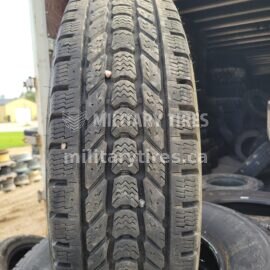 LT225/75R16 Firestone Winterforce LT
1 × $47.45
LT225/75R16 Firestone Winterforce LT
1 × $47.45 
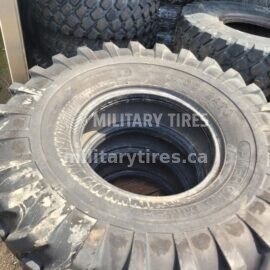 14.00-24 TG American Miner SL E-2/L-2
1 × $225.00
14.00-24 TG American Miner SL E-2/L-2
1 × $225.00 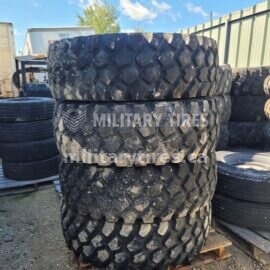 4 tires16.00R20 Michelin XZL on Clearance
1 × $750.00
4 tires16.00R20 Michelin XZL on Clearance
1 × $750.00