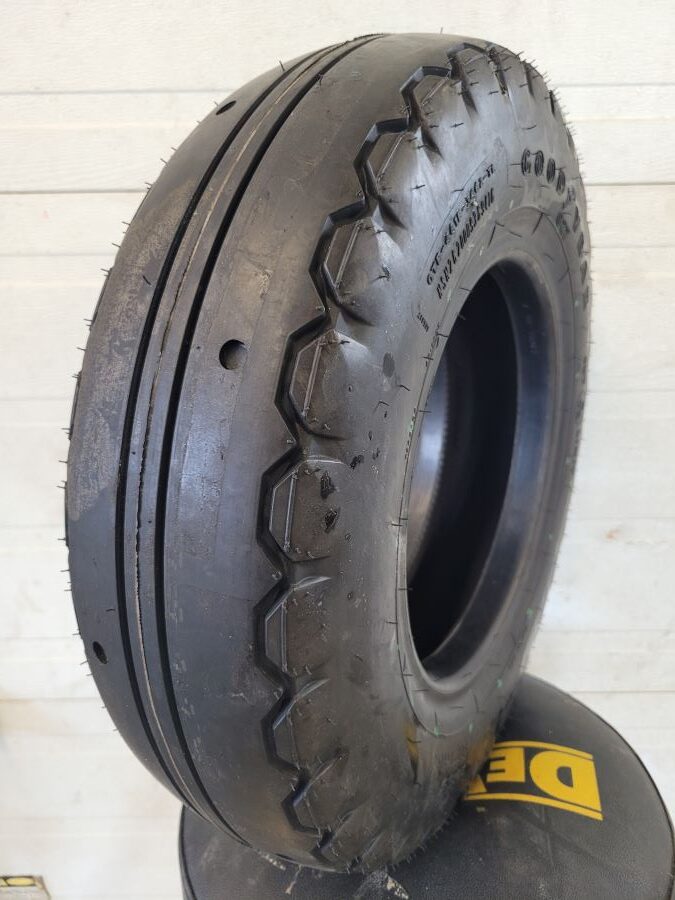
A low price on used aircraft tires means nothing if the casing is wrong, the wear is uneven, or the tire sat in the wrong conditions for years. Buyers in this market usually are not browsing out of curiosity. They need a specific size, a workable condition range, and inventory they can actually get shipped. That is why the real question is not whether used aircraft tires are worth buying. It is whether the tire in front of you still has serviceable value for the job you have in mind.
Where used aircraft tires make sense
Used aircraft tires are not a one-size-fits-all buy. For some buyers, they are a cost-control move. For others, they are the only practical way to source a hard-to-find size or brand without waiting on a new production run or paying a premium for niche inventory.
That matters in surplus and specialty markets. Aircraft tires often show up as takeoffs, retired stock, or surplus inventory from controlled channels. Some have meaningful tread left. Some are better suited for non-aviation applications, resale, shop use, or project builds where casing integrity and dimensions matter more than fresh-from-factory condition.
The value is straightforward. If the tire matches the intended use and the condition is honestly represented, used inventory can stretch a budget without forcing a compromise on brand or spec. If the condition is vague or the fitment is off, the low price stops being a deal fast.
What to check before buying used aircraft tires
The first thing to verify is the exact tire specification. Buyers who work with specialty tires already know this, but it is worth saying plainly: close is not good enough. Aircraft tire sizing, ply rating, speed rating, and load capability all need to line up with the intended application. Even when a tire looks physically similar, that does not make it interchangeable.
After that, condition matters more than cosmetics. A used aircraft tire can show handling marks, warehouse dust, or minor surface aging and still be a usable buy. What you do not want is structural doubt. Sidewall damage, bead issues, exposed cords, deep weather checking, irregular wear patterns, or signs of poor storage should move the tire out of consideration.
Tread depth gets attention, but casing quality should carry more weight. A tire with moderate tread and a sound casing may be the better buy over one that looks deeper but shows stress or uneven wear. On specialized inventory, especially surplus stock, the condition description needs to be specific enough to tell you what you are really buying.
That includes whether the tire is a takeoff, whether it was mounted previously, and whether there are visible repairs. Serious buyers want facts, not filler. A seller should be able to tell you brand, size, quantity, condition, and what is known about the tire’s storage or prior use.
Storage history is not a small detail
Aircraft tires are still rubber products. Heat, UV exposure, moisture, and poor stacking practices can shorten their useful life or affect casing quality. A used tire that came from controlled storage may be a better buy than a cheaper one that sat in the wrong environment.
This is one of those areas where price can fool people. Two tires with the same size stamp and similar tread can have very different value depending on how they were stored. If the seller cannot speak to storage condition at all, buyers should assume more risk is involved.
The trade-off between price and certainty
The reason buyers look at used aircraft tires is simple: cost and availability. The trade-off is that used inventory usually requires more evaluation than new stock. You are not paying only for rubber when you buy new. You are paying for consistency, traceability, and a cleaner condition baseline.
Used inventory can still be the right call, especially in wholesale, resale, maintenance support, or specialty sourcing. But the cheaper the tire, the more careful the review should be. A bargain only holds up if the tire performs the task you bought it for.
There is also a difference between buying one tire and buying a lot. A single unit might be easy to inspect closely. Larger quantities require confidence in grading consistency. If one tire in a lot is described as used but serviceable, buyers need to know whether the rest of the lot matches that condition or whether there is a wider spread.
When brand still matters in the used market
Buyers in surplus and industrial tire categories already pay attention to brands, and aircraft inventory is no different. Established names like Michelin, Goodyear, and Bridgestone carry weight because they have known manufacturing standards and a track record in demanding environments.
That does not mean every used premium-brand tire is automatically a strong buy. Condition still decides the deal. But brand reputation can help narrow the field when you are comparing similar used options. If two tires are close in condition and one comes from a better-known manufacturer with a stronger casing reputation, that can justify the difference.
For resellers and commercial buyers, recognizable brands can also improve resale confidence and move inventory faster. Unknown or poorly documented stock may need a lower price to leave the rack.
Buying for aviation use versus secondary use
This is where buyers need to be disciplined. The intended use changes the standard. If the tire is being considered for aviation service, the purchase decision should be based on the exact requirements, regulations, and inspection standards that apply to that use. There is no room for assumptions.
On the other hand, many buyers source aircraft tires for secondary applications where dimensions, load traits, or specialty construction are the main reasons for the purchase. In those cases, the decision may be more about casing condition, sizing, and value than about aviation return-to-service considerations.
Either way, the seller’s description should make it clear what is being offered. A good surplus seller does not blur those lines. They describe inventory honestly so the buyer can make the right call for the job.
Why inventory depth matters more than marketing claims
Specialty tire buyers usually run into the same problem with mainstream sellers: not enough selection, not enough detail, and no real understanding of oddball inventory. That is why inventory depth matters in this category.
When a seller handles surplus, takeoffs, military stock, industrial tires, and hard-to-find wheels regularly, they are more likely to understand what buyers actually need to know. Size, quantity, condition, brand, and shipping options matter more than polished sales copy. MilitaryTires.ca operates in that kind of inventory-first space, which is why buyers looking for uncommon tire categories tend to value direct availability over showroom presentation.
This is especially relevant for wholesale buyers and resellers. If you need a one-off specialty tire, you want a clear listing. If you need repeatable access to mixed specialty inventory, you want a source that sees this material regularly. Those are not the same buying situations, but both depend on accurate condition notes and practical stock access.
Questions worth asking before you commit
Before purchasing used aircraft tires, buyers should pin down a few basics. Ask whether the tires are takeoffs or surplus unused inventory, whether there are repairs, how they were stored, and whether the seller can provide clear photos of sidewalls, beads, and tread. If you are buying multiples, ask whether the condition is uniform across the lot.
Shipping also matters more than some buyers expect. Specialty tires are not always moving from a warehouse down the road. Cross-border orders, freight handling, and lot purchases can change the real landed cost. A tire that looks cheaper upfront may not stay cheaper once transport is factored in.
And if the listing feels thin, treat that as useful information. Strong inventory sells on clear specs and honest condition. Weak descriptions usually leave the buyer doing the guessing.
Used aircraft tires are a practical buy when the details hold up
There is nothing complicated about the decision once you strip the noise away. Used aircraft tires are worth buying when the size is correct, the casing is sound, the condition is clearly described, and the price reflects the remaining value. They are not worth buying just because the number on the tag is low.
The buyers who do best in this market are the ones who stay technical, ask direct questions, and buy from inventory sources that deal in specialty products every day. If the listing gives you real condition detail and the tire fits the job, that is where the value starts.


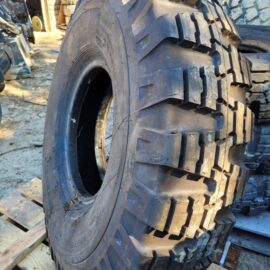 14.00-20 General
4 × $425.00
14.00-20 General
4 × $425.00 
 14.00R20 Michelin XL
1 × $400.00
14.00R20 Michelin XL
1 × $400.00  4.80/4.00-8 NHS Carlisle Ultra Rib GSE
1 × $50.00
4.80/4.00-8 NHS Carlisle Ultra Rib GSE
1 × $50.00 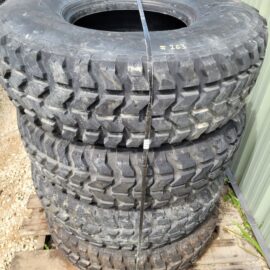 4 tires 37x12.5R16.5 Goodyear MT - Liquidation
1 × $400.00
4 tires 37x12.5R16.5 Goodyear MT - Liquidation
1 × $400.00  12R22.5 Goodyear G751 MSA
1 × $275.00
12R22.5 Goodyear G751 MSA
1 × $275.00  16.00R20 Goodyear AT-2A
1 × $550.00
16.00R20 Goodyear AT-2A
1 × $550.00  Hutchinson Beadlock 20″x10″ for Tubeless set up
1 × $55.00
Hutchinson Beadlock 20″x10″ for Tubeless set up
1 × $55.00  14.9-24 C TL Titan Torc Trac R-3
1 × $295.00
14.9-24 C TL Titan Torc Trac R-3
1 × $295.00  20X4.4 Michelin Aviator MWL-6
1 × $400.00
20X4.4 Michelin Aviator MWL-6
1 × $400.00 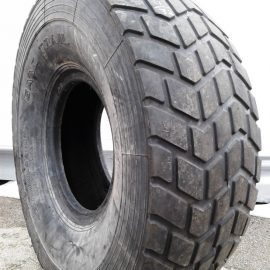 450/80R20 M.O.V. SAND TRAIL
3 × $100.00
450/80R20 M.O.V. SAND TRAIL
3 × $100.00  Export only 395/85R20 Michelin's and Goodyear
1 × $25.00
Export only 395/85R20 Michelin's and Goodyear
1 × $25.00  24R21 Michelin XZL
1 × $650.00
24R21 Michelin XZL
1 × $650.00  6.90-9 NHS Nanco ET890
1 × $70.00
6.90-9 NHS Nanco ET890
1 × $70.00  6.90-9 NHS STA Industrial Deep Lug on wheel
1 × $155.00
6.90-9 NHS STA Industrial Deep Lug on wheel
1 × $155.00  19.5LR24 GOODYEAR IT510
1 × $265.00
19.5LR24 GOODYEAR IT510
1 × $265.00  12x7 UTV/ATV Wheel
4 × $40.00
12x7 UTV/ATV Wheel
4 × $40.00  6.90-9 NHS Carlisle on Wheel
1 × $80.00
6.90-9 NHS Carlisle on Wheel
1 × $80.00  16 inch AIRCRAFT WHEEL
1 × $545.00
16 inch AIRCRAFT WHEEL
1 × $545.00  16.00R20 Goodyear AT-3A FOAM
1 × $200.00
16.00R20 Goodyear AT-3A FOAM
1 × $200.00  18x5.7-8 Goodyear MWL-6
1 × $185.00
18x5.7-8 Goodyear MWL-6
1 × $185.00