

-
×
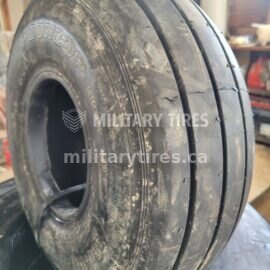 15x6.00-6 Dunlop 380x150-6
1 × $200.00
15x6.00-6 Dunlop 380x150-6
1 × $200.00
Subtotal: $200.00

A 16.00R20 military tire, a 23.5R25 OTR casing, or a set of agricultural takeoffs is not always sitting on a local dealer rack. That is where tire auctions versus dealers becomes a real purchasing decision, not just a question of who has the lowest advertised price. For operators, restorers, contractors, and tire resellers, the right source depends on fitment, condition, quantity, freight, and how quickly the tires need to be in service.
A dealer transaction offers more predictability. An auction can offer access to unusual inventory and aggressive pricing. Neither route wins every time. Buyers get better results when they match the purchase method to the job instead of treating auctions as automatically cheap or dealers as automatically expensive.
A specialized tire dealer is usually the better choice when the specification is fixed and downtime costs money. If a truck, loader, farm implement, aircraft ground unit, or off-road rig needs a particular tire size, load range, tread pattern, or wheel configuration, a dealer lets you search inventory and purchase directly.
The major advantage is clarity before payment. A proper listing should identify the tire brand, size, condition, tread type, price, and available quantity. For used inventory, serious buyers should also expect direct condition notes and photos that show the actual product whenever possible. This matters with surplus and takeoff tires, where age, storage history, tread wear, repairs, and matching can vary from one lot to another.
Dealers also work well for repeatable purchases. A fleet manager replacing several commercial truck tires or a shop buying stock for resale may need the same product again next month. A dealer can tell the buyer what is currently available and whether similar inventory is likely to return. That is useful when keeping a mixed fleet or a customer base moving matters more than scoring a one-time deal.
Direct purchasing removes bidding pressure. You know the price, complete the order, arrange shipping or pickup, and move on. That is often worth paying for when equipment is parked, a customer is waiting, or the purchase requires approval from a procurement department.
There is a limit, however. Mainstream tire dealers are built around common passenger, light truck, and current-production commercial sizes. They may not carry military-spec tires, obsolete wheel assemblies, flotation farm tires, run-flat components, aircraft tires, or specialized OTR inventory in depth. Even a good dealer may need to source those items after the order is placed.
Auctions are built for opportunity, especially in surplus categories. Government liquidation, fleet changes, warehouse clearouts, military vehicle parts, and discontinued stock can put hard-to-find tires and wheels into auction lots. A buyer may find new old stock, low-use takeoffs, matched sets, or a bulk quantity that would be difficult to locate through standard channels.
No-reserve auctions can be particularly useful for buyers who know exactly what they are looking at. A contractor with room to store spare OTR tires, a collector restoring a military vehicle, or a reseller with established customers can bid based on a real target cost. If competition is light, the final price may beat a comparable direct purchase by a meaningful margin.
Auctions also reward flexibility. A buyer who can use more than one approved brand, accepts cosmetic storage marks, or can purchase a full pallet rather than two individual tires has more chances to buy well. This is common in agricultural, industrial, and military applications, where a practical tire that meets the required size and rating may be more valuable than a specific model name.
The trade-off is that an auction is not a custom order desk. The inventory is what it is. A lot may contain four tires when you need six, or it may include rims you do not need. Once bidding starts, another buyer may push the price above your acceptable number. The best auction buyers are disciplined enough to stop bidding when freight, taxes, and handling erase the savings.
The most common mistake in auction buying is comparing the hammer price with a dealer’s listed price. That does not show the actual landed cost.
Before bidding, calculate the full cost of getting the tires into your shop, yard, farm, or jobsite. Include any buyer premium, applicable taxes, loading charges, palletizing, freight, border documentation when relevant, and the cost of mounting or disposal. Oversize industrial and agricultural tires can be expensive to move. A low winning bid on a heavy tire may not be a bargain if it ships across several states or requires special handling.
Dealer pricing should be evaluated the same way. A direct price may look higher but include a more complete condition description, faster release, shipping support, or the ability to buy only the number of units needed. If the dealer has the tires in stock and can ship promptly, the operational value may exceed a small difference in product cost.
For bulk buyers, storage is another factor. Buying 20 surplus commercial tires at auction can reduce the unit cost, but only if the inventory will turn. Tires need dry, protected storage away from direct sunlight, standing water, petroleum products, and unnecessary heat. Inventory that sits too long ties up cash and takes up valuable floor space.
Whether purchasing at auction or from a dealer, fitment comes first. Confirm tire size, load rating, ply rating where applicable, speed capability, wheel diameter, section width, overall diameter, and clearance. For dual applications, verify that the tires are suitable as a matched set. For military, industrial, and agricultural equipment, confirm the rim type and any special bead, run-flat, or wheel component requirements.
At auction, read every condition note and study every available photo. Look for sidewall cracking, bead damage, uneven wear, weather checking, exposed cords, puncture repairs, mismatched tread depths, and signs that a tire was stored outdoors. Ask about DOT date codes when age matters to your application. New old stock can have full tread and still require careful evaluation because calendar age and storage conditions affect suitability.
Do not assume a tire marked “used” is either good or bad. Used takeoffs can be a practical value when the tread is usable, the casing is sound, and the application is appropriate. They can also be a poor purchase if the remaining life is too short for the freight and mounting cost. The same goes for surplus inventory. Brand name matters, but condition and application decide whether the tire earns its place on the machine.
A dealer gives buyers a better route when they need more information before committing. An auction favors buyers who can assess the listing, understand the product, and accept the risk that comes with limited inspection or final-sale terms.
Buy from a dealer when you need a specific product now, need a defined quantity, require clear condition details, or cannot afford a bad fitment decision. This is usually the right route for fleet replacements, urgent repair work, and purchases where one wrong tire can hold up equipment or a customer job.
Use an auction when the inventory is specialized, the lot size works for your operation, and you have a firm maximum bid based on total landed cost. Auctions are especially useful for buyers seeking military tires and wheels, unusual off-road sizes, discontinued products, bulk surplus, or project inventory that does not have an immediate installation deadline.
For many commercial buyers, the strongest approach is using both. Buy critical replacement tires directly. Watch auctions for reserve stock, uncommon sizes, spare wheels, and bulk opportunities. MilitaryTires.ca serves that practical middle ground with direct inventory and recurring auction opportunities for buyers who know their specifications and purchase limits.
The best purchase is not the lowest bid or the lowest listed price. It is the tire that fits the equipment, arrives when needed, performs for the intended job, and leaves enough margin after freight and service costs are counted.
