A surplus tire wholesale program is built for buyers who need more than a common passenger tire in a common size. Tire shops, fleet operators, contractors, farm operations, restoration shops, and resellers often need military-spec tires, commercial casings, specialty wheels, takeoffs, or discontinued sizes that local distributors cannot consistently supply. The value is not just a lower unit cost. It is access to usable inventory when the job, vehicle, or customer cannot wait.
For wholesale buyers, surplus inventory can solve a difficult sourcing problem while creating room for resale margin or lower operating costs. The key is buying by specification and condition, not just by price.
What a Surplus Tire Wholesale Program Should Provide
A workable wholesale program gives qualified buyers access to inventory that changes frequently and does not always follow standard distributor patterns. This may include new old stock tires, used military tires, truck tire takeoffs, agricultural tires, OTR inventory, aircraft tires, rims, beadlock wheels, and specialty assemblies.
Unlike a regular tire catalog, surplus stock is often finite. A specific Michelin military tire, Goodyear commercial size, Hutchinson wheel, or flotation tire may be available in quantity one month and unavailable the next. Buyers who understand their recurring needs can act quickly when the right lot becomes available.
The best fit is usually a buyer who can evaluate tread design, load range, ply rating, wheel diameter, bolt pattern, section width, overall diameter, and intended service. A surplus tire is only a value when it fits the equipment and duty cycle correctly.
New Old Stock, Used, and Takeoff Inventory
Condition matters as much as size. New old stock, often called NOS, refers to tires that have not been used but may have been stored for an extended period. They can be a strong option for hard-to-find applications, provided the buyer reviews manufacturing date, storage history when available, and the tire’s intended use.
Used inventory can offer substantial savings, especially for off-road, military vehicle, industrial, and farm applications. Buyers should review tread depth, sidewall condition, repairs, weather checking, bead condition, and whether the tire is sold individually or as a matched set. A used tire with substantial tread may be the right purchase for a low-mileage utility vehicle, but it may not be the right fit for a high-speed highway fleet.
Takeoffs are another practical category. These are tires or wheel-and-tire assemblies removed from vehicles or equipment during upgrades, conversions, fleet changes, or decommissioning. They can be especially useful for buyers seeking factory-sized assemblies or resale stock with recognizable brand names.
Who Benefits From Wholesale Surplus Tire Access
Wholesale purchasing is not limited to large fleets. Any business that regularly buys specialized tires or sells them to a defined customer base may benefit from volume access and changing surplus inventory.
Independent tire shops can use surplus stock to serve customers who drive military trucks, work vehicles, agricultural equipment, expedition rigs, or older commercial units. These customers may not find what they need through a standard regional warehouse.
Fleet managers may use wholesale inventory for off-road support vehicles, trailers, site equipment, and nonstandard truck applications. Contractors and industrial operators can source tires for equipment that operates on gravel, mud, job sites, ports, yards, and rough terrain where tread design and casing strength matter more than ride comfort.
Resellers can build inventory around proven demand. The better approach is not to buy every low-priced lot available. Buy the sizes, brands, and applications your customers already ask for. A tire that is rare but has no local buyer is still capital sitting on a rack.
Military vehicle collectors and restoration shops also benefit from access to correct or close-to-correct military patterns, split-rim-compatible sizes where appropriate, and matching wheel assemblies. Fitment details are critical in this category. Verify the vehicle, wheel design, tire size, tube or tubeless requirement, and inflation system compatibility before ordering.
How to Buy the Right Inventory
Start with a short list of the sizes and applications that move through your business. For a commercial shop, that may mean common 22.5-inch truck tire sizes, flotation tires, or trailer takeoffs. For an off-road retailer, it may mean 37-inch to 53-inch military tires, directional tread patterns, and 16.5-inch or 20-inch wheel fitments.
Then separate must-have stock from opportunity buys. Must-have stock is inventory you can install, use, or resell consistently. Opportunity buys are uncommon lots purchased because the price, brand, condition, or scarcity creates a clear advantage. Both have a place, but they should not be treated the same way.
Before committing to a quantity, confirm the full specification. Tire size alone is not enough. Check the load index or load range, speed rating if highway use is planned, ply rating, tread type, directional orientation, wheel width requirements, and overall tire diameter. For wheels, confirm bolt circle, center bore, offset, backspacing, stud type, and brake clearance.
For mixed-condition lots, ask how units are identified and whether photos represent the actual inventory. Surplus purchases can vary by unit, particularly with used stock. A clear condition description protects both the buyer and the seller.
Price the Landed Cost, Not Just the Tire
A low tire price can lose its advantage when freight, handling, mounting, tubes, flaps, wheel work, or cross-border paperwork are ignored. Large military, OTR, and agricultural tires take up space and can be expensive to move. Freight planning should happen before the purchase order, not after the invoice is paid.
Wholesale buyers should calculate landed cost per unit, then compare it to realistic resale value or replacement cost. For tires intended for internal use, compare the full purchase and installation cost against downtime, equipment availability, and expected service life.
It also depends on where the tires are going. A buyer near a freight terminal may have a different cost structure than a remote operation requiring final-mile delivery. Shipping to the U.S. and Canada can make specialized inventory available to more buyers, but cross-border purchases still require accurate consignee information and practical delivery planning.
Auctions and Buy-Now Inventory Serve Different Needs
No-reserve auctions can be useful when the buyer has flexibility on brand, exact tread pattern, or purchase timing. They are often a good source for mixed lots, takeoffs, and inventory that needs to move quickly. The trade-off is that another buyer may bid aggressively, and quantities may not be repeatable.
Buy-now inventory is better for a customer order, equipment repair, or planned stock replenishment where timing matters. The price may be fixed, but so is the ability to secure the product before it disappears.
A strong purchasing strategy uses both. Watch auctions for value-driven opportunities, but rely on available buy-now stock when a job has a deadline. MilitaryTires.ca serves this type of buyer with surplus categories, wholesale support, direct purchasing, and auction inventory for specialized tire and wheel applications.
Avoid Common Wholesale Buying Mistakes
The most expensive mistake is assuming a tire will work because the nominal size looks close. Overall diameter, load capacity, dual spacing, wheel compatibility, and tread direction can change the result completely. This is especially true with military tires and flotation sizes, where markings may differ from common consumer fitment conventions.
Another mistake is buying too deep into slow-moving inventory. A rare tire can be profitable, but only if there is a known application and buyer base. Keep specialty stock tied to actual equipment in your region, customer requests, or a clear online resale plan.
Finally, do not treat all surplus inventory as interchangeable. Brand reputation, casing condition, date codes, tread depth, storage, and matching quantity all affect value. A complete set of matching tires may command more demand than the same number of mixed units.
The right wholesale purchase keeps equipment working, gives your shop something competitors cannot source, or puts profitable inventory on the shelf. Start with the exact fitment, verify the condition, and move when the right surplus lot is available.


 16.00R20 Goodyear AT-2A
1 × $550.00
16.00R20 Goodyear AT-2A
1 × $550.00 
 31X10X20 (10x16.5) Solid Tire and Wheel Press-on
1 × $200.00
31X10X20 (10x16.5) Solid Tire and Wheel Press-on
1 × $200.00 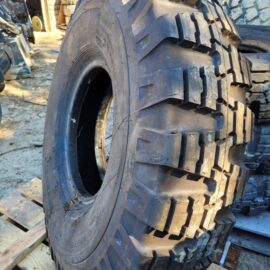 14.00-20 General
1 × $425.00
14.00-20 General
1 × $425.00  16.5" x 8.25" HMMWV Wheel / 12 bolt style
1 × $75.00
16.5" x 8.25" HMMWV Wheel / 12 bolt style
1 × $75.00