

Uncategorized
Michelin X-One Review for Commercial Fleets
Nov
A wide-base single tire can remove one wheel position from each end of a drive or trailer axle, but that does not make it an automatic upgrade. This Michelin X-One review is for buyers who need to decide whether the tire’s operational benefits outweigh its fitment requirements, replacement cost, and reduced redundancy compared with dual assemblies.
Michelin X-One is a commercial tire family, not one single tread pattern or specification. Individual X-One products vary by size, axle position, tread design, load rating, and intended service. That distinction matters. A long-haul trailer tire, a regional drive tire, and a mixed-service product should not be judged by the same standard.
What Michelin X-One Tires Are Built To Do
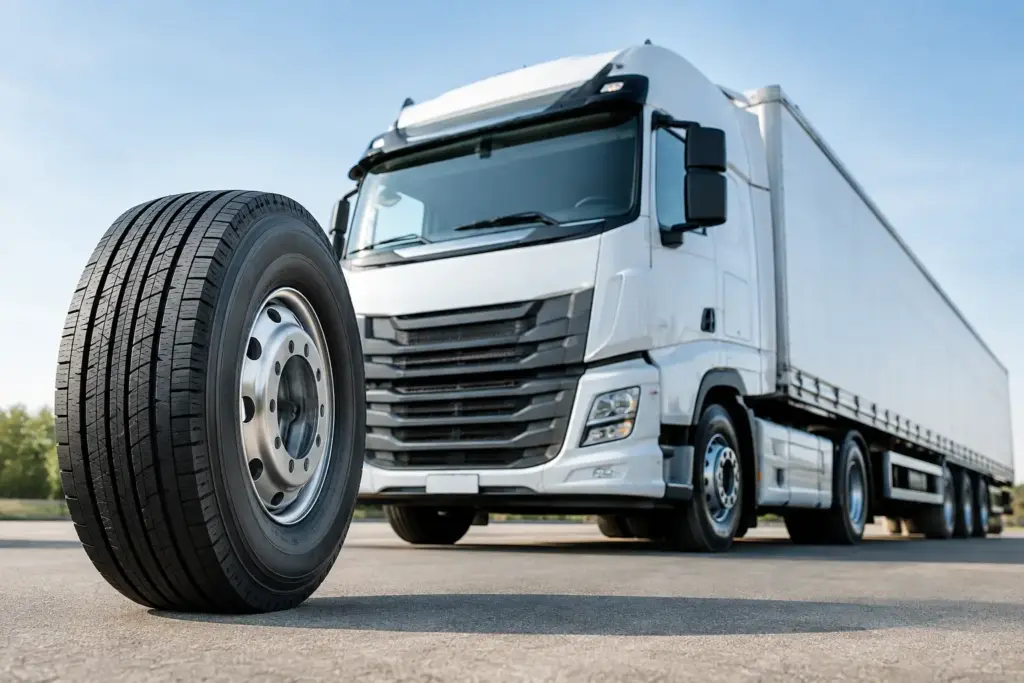
X-One tires are wide-base single commercial truck tires designed to replace a dual-tire assembly. A common wide-base fitment uses one tire and one wheel where a conventional setup uses two narrower tires and two wheels. The goal is straightforward: reduce assembly weight, simplify maintenance, and create more usable width or payload potential where the truck and application support it.
For fleet operators, the appeal is not cosmetic. Fewer tires per axle can mean fewer wheel ends to inspect, fewer valve stems to service, and fewer components to purchase and manage. Depending on the tire, wheel, axle, and equipment configuration, a wide-base setup may also reduce weight compared with duals. That can matter on payload-sensitive freight, tankers, bulk hauling, and dedicated trailer work.
The tire’s wider footprint is another part of the equation. In the right application, it can distribute load across a broad contact patch and deliver stable highway manners. Michelin’s casing reputation also carries weight with fleets that track retreadability and total tire cost rather than only the purchase price.
Michelin X-One Review: Where It Makes Sense
The strongest case for X-One tires is usually a controlled commercial operation. That means consistent routes, known axle weights, trained drivers, regular pressure checks, and a maintenance program that acts before a tire problem becomes a roadside problem.
Long-haul and regional trailer fleets are common candidates because trailer axles see predictable service and can benefit from lower component count. Dedicated applications may also gain from weight savings or trailer deck-width advantages. For operators hauling freight near legal weight limits, every pound saved elsewhere in the setup deserves attention.
Wide-base singles can also simplify tire inventory. Instead of stocking paired dual sizes and managing matched tire diameters across an axle, a fleet can standardize around the correct wide-base specification. That benefit only holds if replacements are available where the equipment runs. A tire program that works at the home terminal but leaves a truck waiting in a remote service area is not a savings.
For buyers sourcing surplus, takeoffs, or new old stock, the value can be especially strong when the exact size and casing condition match an existing fleet setup. Commercial tires are expensive assets. Buying a hard-to-find Michelin wide-base tire at the right price can make sense, but only after verifying the full sidewall specification, remaining tread, repair history, date code, and intended axle position.
The Trade-Off: One Tire Means No Backup Tire
Dual assemblies offer built-in redundancy. If one dual loses air, the companion tire may temporarily carry part of the load long enough for the driver to get stopped safely, although it can be damaged in the process. A wide-base single does not provide that cushion. A serious puncture, sidewall failure, or rapid air loss can put the wheel end out of service immediately.
That does not mean X-One tires are unreliable. It means the operation has to be disciplined. Tire pressure monitoring, pre-trip inspections, proper inflation practices, and fast road-service support are more important when there is no second tire beside the first one.
Replacement availability is the other practical issue. Conventional commercial dual sizes are widely supported. Some X-One sizes are readily available in major freight corridors, while others can be harder to source on short notice. Before converting equipment, ask the same question a fleet maintenance manager would ask: can our drivers get the correct replacement tire where they actually operate?
A single wide-base tire can also cost more per unit than one conventional tire. The fair comparison is not one X-One tire versus one dual tire. It is one X-One wheel-end assembly versus the complete dual assembly it replaces, including tires, wheels, mounting, balancing where applicable, maintenance, fuel impact, and casing value over time.
Fitment Is Not a Guessing Game
A wide-base conversion requires more than selecting a tire with the correct outside diameter. Wheel width, wheel offset, stud-piloted or hub-piloted hardware, axle rating, suspension clearance, brake clearance, fender space, and legal overall width all need to be checked.
The wheel is critical. Michelin X-One tires require compatible wide-base wheels. A conventional dual wheel is not interchangeable, and an incorrect rim can create mounting problems, bead damage, clearance issues, or unsafe operation. Confirm the wheel manufacturer’s approved tire range and the tire manufacturer’s approved rim specification before buying either component.
Load capacity must be verified at the intended inflation pressure and axle position. Never assume that a wide-base tire automatically matches the capacity of every dual configuration. Tire load tables, axle ratings, and actual scale weights decide whether the setup is suitable. The heaviest axle condition matters, including uneven loading, turns, curb contact, and real-world distribution within a trailer.
For used inventory, inspect the tire beyond remaining tread depth. Look for irregular wear, shoulder damage, exposed cords, bead damage, deep cuts, weather checking, and evidence of previous repairs. A tire pulled from a fleet trailer may be a good value, but it may also have been removed because of a vibration complaint, alignment issue, or aging concern. Condition is part of the specification.
Tread Choice Matters More Than the Sidewall Name
“X-One” does not tell you whether a tire is right for your route. The tread and service designation do.
A low-rolling-resistance highway tread may fit a long-distance trailer fleet that spends most of its time on pavement. A regional tread may be better suited to frequent turns, tighter yards, and more stop-and-go duty. Drive-position products need traction characteristics that trailer-position tires do not. Mixed-service work introduces another level of risk from stone retention, cuts, mud, and rough surfaces.
Off-road users should be especially careful here. A commercial wide-base highway tire is not a substitute for a purpose-built military, flotation, OTR, or aggressive off-road tire. Wider does not automatically mean tougher. Sidewall construction, tread depth, cut resistance, and operating pressure all matter when equipment leaves maintained roads.
Maintenance Decides the Result
The best Michelin X-One setup can still wear out early if alignment, inflation, and suspension are ignored. Wide-base tires make wear patterns easy to see, but they cannot correct a bent axle, worn bushing, improper toe setting, or overloaded trailer.
Check inflation cold and use the pressure required for the actual load. Underinflation creates heat and shoulder wear. Overinflation can reduce the contact patch and accelerate center wear. Inspect tread across the full width, not just at the shoulders. A wide tire can show subtle signs of alignment or pressure trouble long before it becomes unusable.
Rotation policies should follow the fleet’s tire program and measured wear, not habit. Track tread depth, pressure losses, repairs, mileage, and removal reasons. Those records will tell an operator whether the X-One program is delivering a lower cost per mile or simply moving costs to a different part of the maintenance budget.
Bottom Line for Buyers
Michelin X-One tires can be a practical choice for fleets that want fewer wheel-end components, potential weight savings, and a premium commercial casing platform. They are most convincing in predictable highway or regional service with proper fitment, pressure control, and dependable replacement support.
They are less attractive for operations that run remote routes without tire coverage, regularly encounter sharp debris and severe off-road conditions, or cannot maintain disciplined inspections. Buyers considering used or surplus X-One inventory should treat exact size, tread application, wheel compatibility, and condition as non-negotiable checks. The right tire is the one that matches the axle, route, load, and service plan – not simply the one available at the lowest price.
