

Uncategorized
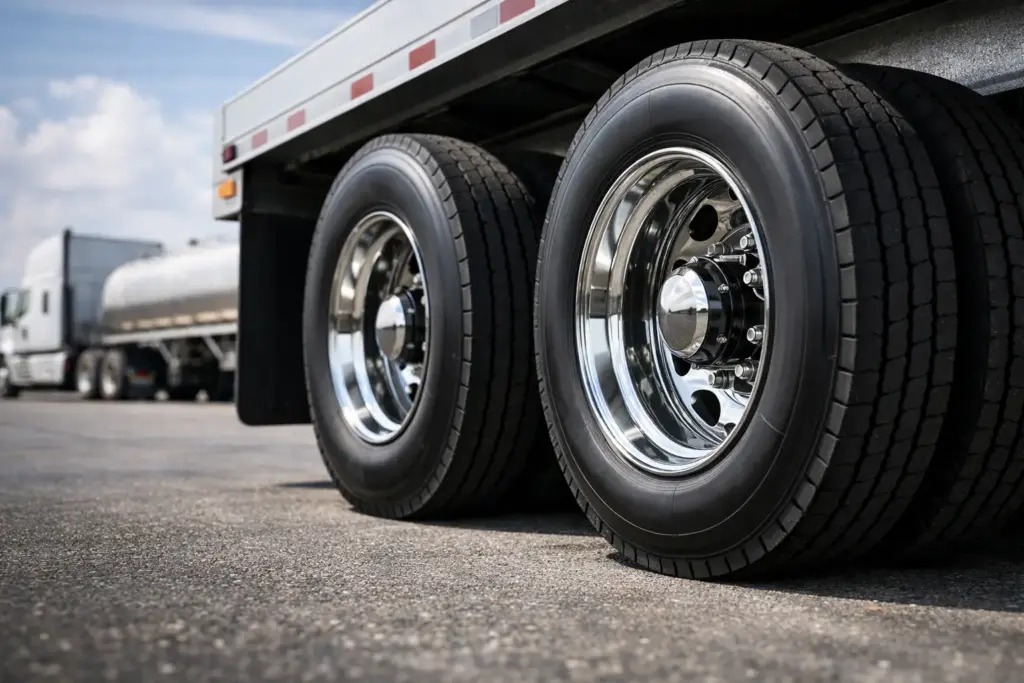
Commercial Trailer Wheel Sets Built for the Job
Aug
A trailer parked with a bent wheel, cracked center, or mismatched bolt pattern is not a minor maintenance issue. It is lost hauling time, a roadside repair, and potentially damaged cargo. Commercial trailer wheel sets need to match the trailer’s hub, axle capacity, tire specification, and actual work cycle – not just look close enough to bolt on.
For equipment trailers, dump trailers, utility fleets, farm wagons, enclosed cargo units, and specialty commercial applications, the right wheel set starts with fitment. Price matters, especially when replacing several wheels, but a bargain wheel with the wrong load rating or offset can create a more expensive problem before the next service interval.
Start With the Trailer, Not the Wheel
The trailer’s axle tag and existing wheel markings are the first places to look. Confirm axle capacity, wheel diameter, width, bolt pattern, center bore, offset, and the tire size currently approved for the application. If the old wheel is damaged, do not assume its size is correct simply because it was installed when you bought the trailer. Used equipment often arrives with substitutions made by a previous owner.
A commercial trailer wheel must carry its share of the loaded trailer weight. That sounds basic, but it is where many replacements go wrong. A tandem-axle trailer with two 7,000-pound axles does not automatically mean every wheel only needs a 3,500-pound rating. Weight distribution shifts during turns, uneven loading, curb contact, and travel over job sites. Select wheel capacity with the axle rating, tire capacity, and expected operating conditions in view.
Wheel and tire ratings work as a system. A high-capacity tire mounted on a lower-rated wheel is still limited by the wheel. The same applies in reverse. The lowest-rated component determines the usable capacity of that corner of the trailer.
Verify Bolt Pattern Before Ordering
Bolt pattern is not interchangeable. Measure it accurately rather than relying on a quick visual comparison. Common commercial trailer patterns include 5-lug, 6-lug, and 8-lug configurations, but the number of lugs tells only part of the story. A 6-lug wheel can have different bolt circles, and an 8-lug pattern found on one trailer may not match another 8-lug hub.
For even-numbered lug patterns, measure from the center of one stud straight across to the center of the opposing stud. For five-lug patterns, measurement requires a different method because there is no directly opposite stud. If there is any doubt, use the hub manufacturer specification or have the pattern confirmed before buying a full set.
Also inspect the stud and nut style. Wheels may use conical-seat lug nuts, flat-seat hardware, or other fitment arrangements. A wheel can share the correct bolt circle but still be wrong for the fastening hardware. Never force a wheel to seat with incompatible lug nuts.
Commercial Trailer Wheel Sets Need the Right Offset
Offset and backspacing determine where the wheel sits relative to the hub, brakes, suspension, and trailer body. A wheel that sits too far inward can rub a leaf spring, brake component, or frame. One that sits too far outward can put additional stress on bearings and may contact fenders when the trailer is loaded.
This is especially relevant when changing tire size or moving from a standard highway tire to a wider all-terrain or flotation-style tire. More tire is not automatically more capability. On a work trailer, clearance under load matters more than the appearance of a wider stance.
Check clearance with the suspension compressed, not only with the trailer empty. A tire may clear the fender in the yard but strike it over a pothole with a full load. For dual-wheel applications, verify the spacing between tire sidewalls as well. Sidewall contact creates heat, wear, and failure risk.
Diameter and Width Must Match the Tire
Wheel diameter must match the tire’s bead diameter exactly. A 16-inch tire requires a 16-inch wheel. This is non-negotiable. Wheel width also needs to fall within the tire manufacturer’s approved rim-width range. Mounting a tire on a wheel that is too narrow or too wide can affect bead seating, tread contact, handling, and tire life.
When replacing a complete commercial trailer wheel set, matching all positions is usually the cleanest approach. Same diameter, same width, same offset, same load rating, and comparable tire dimensions make rotations, spares, and future service easier. Mixing wheels can be workable for an emergency repair, but it should not become the permanent plan on a trailer that earns its keep.
Steel, Aluminum, New Old Stock, or Used?
Material choice comes down to application, budget, and maintenance practices. Steel wheels remain a practical option for rough service. They handle daily commercial use well, are generally economical, and are a familiar choice for equipment trailers, farm trailers, and construction use. Their trade-off is weight and the need to manage corrosion, particularly where trailers see winter road salt, fertilizer, or standing water.
Aluminum wheels reduce unsprung weight and resist corrosion well, but they cost more and need proper installation discipline. Torque procedures matter. So does regular inspection around the lug seats and mounting surface. Aluminum can make sense for operators who value appearance, weight savings, or corrosion resistance, but it is not automatically the best value for every hard-use trailer.
New old stock can be an excellent buy when the specifications match the job. These wheels may be unused but stored inventory from prior production runs, fleet changes, or liquidation channels. Verify the condition of the finish, mounting holes, valve stem area, and any storage-related surface corrosion before installation.
Used wheels can also offer real value, particularly for older trailers and hard-to-find fitments. The condition check needs to be more thorough. Look for bent rims, cracks at the center disc or lug holes, weld repairs, deep corrosion around the bead seat, elongated bolt holes, and evidence of prior tire failure. A wheel that has been repaired may be suitable only if the repair is professionally evaluated for the application. For a loaded commercial trailer, questionable wheels are not where to gamble.
Inspection Matters More Than Paint
Fresh paint can make a wheel look ready for service, but it does not tell you what is happening at the bead seat or around the mounting face. Clean the wheel before inspection. Surface rust on a steel wheel may be manageable; pitting that prevents the tire bead from sealing is a different issue.
Pay close attention to the center bore. It must clear the hub correctly and sit flat against the mounting surface. Dirt, rust scale, old paint buildup, or burrs between the hub and wheel can prevent full seating. That can lead to loose lug nuts, wheel vibration, and damaged studs.
Before mounting, inspect these areas:
- The bead seats for heavy corrosion, dents, cracks, or old sealant buildup.
- Lug holes for elongation, cracking, or damaged seating surfaces.
- The mounting pad for warping, rust scale, and debris that can stop the wheel from sitting flush.
- The rim flange for impact damage that may compromise tire retention or cause a slow leak.
After installation, tighten lug nuts in the correct sequence and to the trailer or wheel manufacturer’s torque specification. Recheck torque after the initial miles of service, particularly after fitting new wheels, repainting mounting surfaces, or installing aluminum wheels. This is routine shop work, but skipping it is how a wheel replacement turns into a roadside incident.
Buy a Set With the Work Cycle in Mind
A trailer used for occasional local runs has different demands than one hauling machinery across state lines or operating daily through gravel yards. Consider load frequency, travel speed, road surface, storage conditions, and access to service. A utility trailer that sees low annual mileage may prioritize value and availability. A commercial fleet trailer needs repeatable fitment, easy replacement sourcing, and a wheel rating that supports its regular loads without operating at the edge.
Keep at least one matching spare wheel and tire assembly where practical. A spare should be more than a random wheel that happens to fit the studs. It should match the diameter, bolt pattern, load capacity, and tire type needed to get the trailer safely back into service. For multi-trailer operations, standardizing wheel sets across similar units can reduce inventory headaches and speed up repairs.
MilitaryTires.ca carries specialized wheel and tire inventory for buyers dealing with commercial, off-road, industrial, and surplus applications. When a standard retail counter cannot source the size, pattern, or condition category required, detailed specifications matter more than generic fitment claims.
The right wheel set is not glamorous equipment, but it supports every load your trailer carries. Measure carefully, match capacity across the wheel and tire assembly, inspect condition honestly, and choose components that fit the work instead of merely fitting the hub.
