

Uncategorized
How to Buy Tire Takeoffs Without Buying Trouble
Sep
A set of takeoffs can save serious money, especially when you need a hard-to-find truck, military, off-road, farm, or industrial tire size. But a low price does not fix the wrong bolt pattern, an outdated DOT date, uneven wear, or freight charges that erase the deal. Knowing how to buy tire takeoffs starts with identifying exactly what was removed, what it fits, and what condition it is actually in.
What Tire Takeoffs Are – and What They Are Not
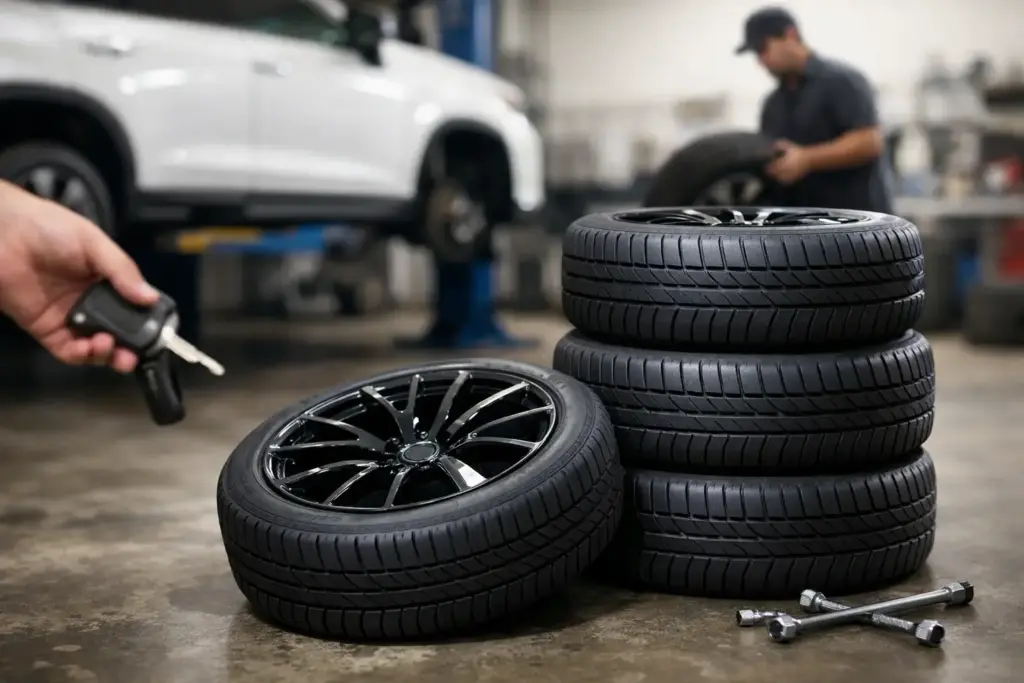
Tire takeoffs are tires, wheels, or complete tire-and-wheel assemblies removed from a vehicle or piece of equipment. They are commonly pulled from new trucks after an owner upgrades to larger tires, from fleet equipment receiving a different setup, or from military and commercial vehicles being reconfigured.
A takeoff is not automatically a new tire. Some are nearly unused, while others have seen enough service to qualify as used inventory. The condition should be described clearly. A new takeoff may have factory molding lines, full tread depth, and a recent DOT date, but it may still have been mounted and removed. A used takeoff may have good tread remaining but show normal road wear, minor cosmetic marks, or age-related concerns.
Do not confuse takeoffs with new old stock. New old stock has not been used but may have been stored for years. Both can be a good value, but they need different checks before purchase.
Start With the Machine, Not the Price
The quickest way to make a bad purchase is to shop by tire diameter alone. Start with the vehicle or equipment requirements: tire size, wheel diameter, load capacity, speed requirement where applicable, and intended use. A 37-inch mud tire may look right for an off-road build, but it can be a poor choice if the tire’s load range, wheel width, or overall weight does not match the vehicle.
For commercial, agricultural, OTR, and military applications, use the size molded into the current tire sidewall and compare the full specification. Numbers that look close may not be interchangeable. For example, section width, aspect ratio, ply rating, load index, and rolling diameter can affect clearance, gearing, axle performance, and legal operating limits.
Confirm Wheel Fitment Before Buying Assemblies
If the takeoffs include wheels, fitment becomes more involved. Confirm the bolt pattern, center bore, offset or backspacing, wheel width, and brake clearance. Heavy-duty and military wheels can also use specialized beadlock, split-rim, or run-flat systems. Those components may require specific mounting equipment and should not be handled like a standard passenger-car wheel.
For dual-wheel trucks, verify whether the wheel is designed for inner or outer use and whether the valve access, offset, and mating surfaces are correct. For tractors, loaders, and industrial equipment, check the rim profile and mounting configuration, not just the nominal tire size.
Check Clearance Under Load and at Full Steering Lock
A tire that clears while parked may rub under suspension compression, steering lock, or when carrying a full load. This is especially common with oversized takeoffs on pickups and Jeeps. Consider fender clearance, suspension lift, wheel offset, and the added diameter of aggressive tread blocks.
If you are replacing only two tires on a four-wheel-drive vehicle, compare the rolling diameter carefully. Major differences between front and rear tires can put unnecessary strain on transfer cases, differentials, and electronic traction systems.
Inspect the Details That Determine Real Value
A clear listing should give you enough information to assess condition without guessing. Photos matter, but they should support the specifications, not replace them. Ask for additional images if the sidewall markings, tread, bead area, wheel face, or DOT code are not visible.
Before committing to a set, verify these five points:
- DOT date code: The final four digits of the DOT code show the week and year of manufacture. Age does not automatically make a tire unusable, but it affects value and suitability, particularly for highway use.
- Tread depth: Get a measurement in 32nds of an inch when possible. Check whether readings are from the center and both shoulders, especially on used steer or drive tires.
- Wear pattern: Cupping, feathering, inner-edge wear, and irregular shoulder wear can point to alignment, suspension, inflation, or balancing issues from the original vehicle.
- Repairs and damage: Confirm whether there are plugs, patches, sidewall scuffs, cuts, bead damage, dry cracking, or previous mounting damage.
- Matching status: Make sure all tires are the same brand, model, size, load range, tread pattern, and approximate tread depth if you are buying a set.
A mixed set can work for some trailers, implements, or low-speed equipment. For a work truck, 4×4, highway tractor, or vehicle with traction-control systems, matching tires usually matter far more.
Read Condition Descriptions Like a Buyer, Not a Browser
Terms such as used, like new, excellent, and takeoff are useful starting points, but they are not full condition reports. Look for the hard information behind the label. A lightly used tire with a recent DOT date, even wear, and measured tread depth may be a better buy than a cheap set with unknown age and vague photos.
Tires removed from military or industrial equipment deserve an application-specific review. They may be built for extreme load, rough terrain, low-speed service, or specialized bead retention. That does not guarantee they are ideal for daily highway use. Their weight, noise, road manners, speed capability, and mounting requirements may be different from standard commercial tires.
The same applies to aggressive off-road tread. Deep lugs and heavy sidewalls are useful in mud, rock, forestry, and jobsite conditions. They can also mean more road noise, reduced fuel economy, and a rougher ride. Buy for the work the equipment actually does.
Price the Complete Deal, Including Freight
Takeoffs often look inexpensive until shipping enters the picture. Large tires, wheel assemblies, and specialty wheels can require pallet freight or commercial delivery. Ask whether the quoted price is per tire, per wheel, per assembly, per pair, or for the full set. Confirm whether valves, center caps, run-flat inserts, hardware, or tubes are included.
For US buyers purchasing specialty surplus inventory, also account for delivery location, unloading capability, and any cross-border charges that apply. A commercial address with a loading dock or forklift can be simpler and less expensive than residential freight with liftgate service.
If you are buying for resale, fleet use, or a multi-unit project, ask about wholesale quantities and lot consistency. One good tire is not the same as a reliable supply of matching tires for ten trucks.
How to Buy Tire Takeoffs From a Specialty Seller
When you are ready to buy tire takeoffs, use the seller’s inventory details to narrow the search, then verify the final specifications before payment. Specialized sellers often handle sizes and applications that regular tire shops do not stock, including military-spec, flotation, farm, OTR, aircraft, and commercial truck inventory. That category knowledge is useful, but it still does not replace a fitment check on your end.
Ask direct questions: What vehicle or equipment were these removed from? Are all DOT dates the same or close? Is tread depth measured? Are there repairs? Are wheels included, and what is the exact bolt pattern and offset? Can the shipment be secured for freight without damage to bead surfaces or wheel faces?
MilitaryTires.ca carries surplus and takeoff inventory across specialized applications, which can be useful when conventional retailers cannot source the size or wheel setup required. Whether buying through a listed price or an auction format, treat the specifications and condition notes as the basis of the purchase, not the product photo alone.
Inspect the Shipment Before Mounting
When the tires arrive, inspect them before scheduling installation. Compare the received size, brand, model, DOT code, tread depth, and quantity against the order. Check the bead areas for shipping damage and examine wheels for bends, cracks, corrosion around sealing surfaces, or missing hardware.
Have specialty tires and wheels mounted by a shop equipped for that type of assembly. This matters with large commercial casings, beadlock systems, multi-piece wheels, tube-type tires, and run-flat hardware. Proper inflation procedures and safety cages are not optional for equipment that requires them.
After installation, check balance, air retention, clearance, and torque. Recheck lug torque after the recommended initial driving interval. On work equipment, monitor inflation and wear early rather than waiting for the first service cycle.
Know When Takeoffs Are the Wrong Buy
Takeoffs are not always the cheapest option once risk is considered. Pass on a set when the age is unknown, the tires are mismatched, the sidewalls show cracking, the wear pattern is severe, or the required fitment information cannot be confirmed. The same goes for assemblies that need expensive adapters, modifications, or hard-to-source mounting components.
A good takeoff purchase solves a real sourcing problem: the right size, enough tread, correct capacity, and a condition level that matches the job. Buy the tire that fits the machine and the work first. The savings only count after that.
