A bad tire buy usually does not show up on the invoice. It shows up later – in uneven wear, downtime, fitment issues, or a truck sitting in the yard because the right size was not actually available. That is why buying wholesale truck tires is less about chasing the lowest number and more about getting the right inventory, in the right condition, from a source that understands commercial use.
For fleet operators, independent shops, resellers, farmers, and contractors, the wholesale market can save real money. It can also create expensive mistakes if you buy by price alone. Commercial tire purchases are tied to load ratings, tread application, casing quality, wheel fitment, and shipping timing. If one of those pieces is off, the deal is not a deal.
Why wholesale truck tires are different from retail buys
Retail tire buying is built around convenience. Wholesale buying is built around volume, application, and margin. That changes how you evaluate inventory.
When you are buying one replacement tire for a highway tractor, the decision is fairly narrow. When you are sourcing multiple positions for a fleet, stocking inventory for resale, or trying to cover mixed-use trucks that see pavement, gravel, mud, or jobsite conditions, the buying process gets more technical. You need consistency across units, not just a tire that fits one truck today.
That is also why surplus, new old stock, and quality used inventory matter in this market. Hard-to-find sizes, older fitments, military-style tread patterns, and commercial takeoffs often do not move through standard retail channels. Buyers who know what they need are usually better served by a supplier with deep, rotating inventory rather than a general consumer tire seller.
What to check before you buy
The first filter is application. A tire that performs well on regional highway routes is not the same tire you want on a dump truck, service truck, or mixed-terrain unit. Tread design, sidewall strength, expected miles, and traction needs all depend on where the truck actually works.
After that, verify the basics without guessing: size, ply or load range, overall diameter, section width, speed rating if relevant, and wheel compatibility. Buyers sometimes focus so heavily on price per tire that they overlook whether the tire will match existing duals, clear suspension components, or hold up under the axle loads they are running.
Condition is the next major factor. New inventory is straightforward, but wholesale buyers often work across new old stock, used, and takeoff inventory. Each can make financial sense. New old stock may offer premium value if stored correctly and matched to the application. Used tires can be a smart buy for lower-mileage operations, farm use, yard trucks, or resale channels where the customer understands exactly what they are purchasing. Takeoffs can be especially useful when you need recognized brands with known service history at a lower cost than new replacement stock.
The key is to buy from sellers who describe inventory clearly. You want actual condition notes, not vague language. Tread depth, visible repairs, age, brand, quantity available, and whether matching sets are in stock all matter.
Brand, casing, and tread still matter at wholesale
At the wholesale level, it is easy to treat tires like interchangeable commodities. They are not. Brand reputation matters because casing quality matters, especially for commercial use. Michelin, Goodyear, Bridgestone, BFGoodrich, and similar manufacturers built their names on consistency under load, heat, and repeated service cycles.
That does not mean every buyer needs the most expensive premium tire in every position. It does mean you should know where it pays to spend more. Steer positions, high-mile highway use, and heavy-duty service often justify stronger casings and proven wear performance. On the other hand, a yard truck, seasonal ag application, or specialty off-road setup may justify a more value-driven option if the specs line up.
Tread also needs to match the real job, not the ideal one. Closed-shoulder highway tread may be right for fuel economy and long pavement use. Open-shoulder and deeper lug patterns can make more sense for traction, debris shedding, and mixed surfaces. If your trucks regularly leave pavement, a cheap highway tire that tears up on gravel is not saving you money.
When surplus inventory makes sense
This is where experienced buyers often gain an edge. Surplus inventory is not a fallback category. In many cases, it is where the best value sits.
Surplus can include overstock, liquidation inventory, military-spec tires, discontinued commercial patterns, dealer closeouts, and hard-to-find fitments that never show up through standard channels. If your operation runs older equipment, specialty trucks, off-road rigs, or nonstandard wheel setups, surplus may be the fastest path to getting the correct tires without waiting on factory lead times.
It also helps wholesale buyers who need margin. A reseller or independent shop can often source recognized commercial brands through surplus channels at pricing that leaves room to compete locally. The trade-off is that inventory may be limited, mixed in age, or available only in certain quantities. If you need 40 identical tires every month on a standing schedule, surplus alone may not cover that. If you need quality inventory at strong pricing and can move when the right stock appears, it is often the better play.
Pricing is more than cost per tire
A common wholesale mistake is comparing only the unit price. Real tire cost includes freight, condition, expected service life, mounting risk, and replacement timing.
A cheaper used tire with marginal tread may cost more in practice than a better casing with stronger remaining life. A low advertised price can also lose its edge if the seller cannot palletize efficiently, ship across the border cleanly, or supply enough matching units to complete the order.
For wholesale truck tires, the better question is not just, “What is the price?” It is, “What is the cost to put these into service and keep them there?” That includes whether you are buying singles or full matched sets, whether the seller has more of the same inventory if you need follow-up units, and whether your downtime savings offset a slightly higher purchase price.
Wholesale truck tires for fleets, farms, and resellers
Different buyers should approach the same inventory differently.
Fleet buyers usually care most about repeatability, service life, and having enough stock to keep equipment moving. They should prioritize matching sets, dependable casing quality, and suppliers that can support ongoing volume rather than one-off bargains.
Farm and mixed-use buyers often need flexibility more than uniformity. Trucks and trailers may see seasonal use, rough surfaces, lower annual mileage, or specialized loads. In those cases, strong-value used inventory or new old stock can make a lot of sense, especially when finding exact fitment matters more than having the newest production date on the market.
Resellers and independent shops need margin and speed. That means buying inventory their customers already trust, in popular commercial sizes or hard-to-find specialty sizes that local competitors cannot source easily. Wholesale works best for them when product descriptions are clear and quantities are visible upfront.
What good suppliers do better
Good wholesale suppliers do not just list tires. They sort inventory in a way buyers can actually use. That means product categories that reflect real applications, visible brand and size information, condition notes that are easy to understand, and enough stock depth to support bulk orders when available.
They also understand that shipping is part of the sale. For buyers in the US, especially those sourcing specialty or surplus inventory from cross-border sellers, freight coordination and paperwork matter almost as much as price. A supplier with established shipping processes removes a lot of friction.
That is part of the reason specialized sellers such as MilitaryTires.ca stand out in this space. When a company works across surplus, commercial truck, military, off-road, industrial, and ag inventory every day, buyers are more likely to find uncommon sizes, takeoffs, and wholesale lots that general tire retailers do not carry.
The smart way to buy
If you are sourcing wholesale truck tires, start with the application and the spec sheet, not the discount. Decide what the truck actually needs, what condition level makes financial sense, and how much consistency matters across the order. Then buy from inventory, not promises.
The strongest wholesale purchases usually come from buyers who move fast on the right stock and ignore deals that only look good at first glance. If the size is correct, the brand is proven, the condition is clearly stated, and the supplier can actually deliver the quantity, that is where wholesale works in your favor.
The right tire is the one that gets the truck back to work, holds up in the service it was bought for, and does not create a second problem a month later.


 22.5x11.75 Titan HD Wheel
1 × $175.00
22.5x11.75 Titan HD Wheel
1 × $175.00 
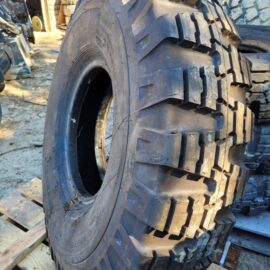 14.00-20 General
1 × $595.00
14.00-20 General
1 × $595.00  19X5.25-10 Aviator
1 × $150.00
19X5.25-10 Aviator
1 × $150.00