-
×
 36x11.0R16 Michelin Air X
1 × $400.00
36x11.0R16 Michelin Air X
1 × $400.00 -
×

 16.00R20 Goodyear AT-2A
1 × $750.00
16.00R20 Goodyear AT-2A
1 × $750.00
Subtotal: $1,150.00

 36x11.0R16 Michelin Air X
1 × $400.00 16.00R20 Goodyear AT-2A
1 × $750.00
36x11.0R16 Michelin Air X
1 × $400.00 16.00R20 Goodyear AT-2A
1 × $750.00 Subtotal: $1,150.00
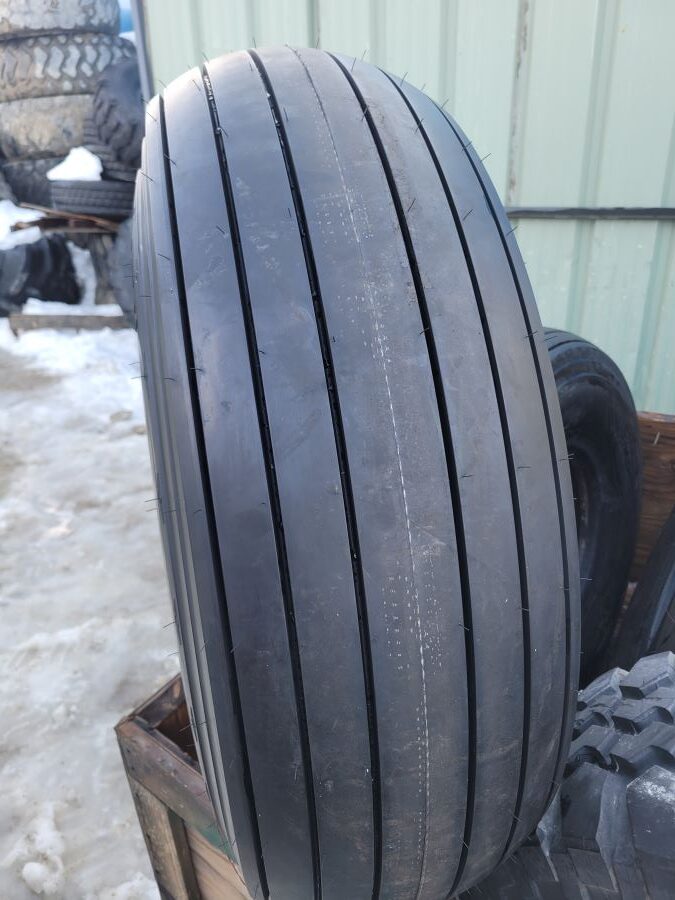
When a buyer starts looking at aircraft tires for sale, the real question usually is not brand first. It is fitment, condition, paperwork, and whether the tire will do the job without wasting time or money. For maintenance shops, operators, brokers, and surplus buyers, aircraft tires are a technical purchase, and getting it wrong can create downtime fast.
Aircraft tires are not a general commodity item. Even when two tires look similar on paper, the right choice depends on aircraft type, operating conditions, speed rating, load requirement, tube or tubeless setup, and whether the tire is approved for the exact application. A low price means nothing if the tire does not match the wheel assembly or service requirement.
That is why experienced buyers tend to start with the basics – size designation, ply rating, part number, and manufacturer. From there, condition becomes the next filter. In the surplus market, you may see new old stock, used takeoffs, and mixed-lot inventory. Each can have value, but each should be viewed differently.
New old stock can make sense when you need hard-to-find inventory from established brands and want unused product at a lower price than current production. The trade-off is age. Storage conditions matter, and buyers should verify how the tire was stored, whether packaging is intact, and whether the product remains suitable for the intended use.
Used aircraft tires can be attractive for cost control, especially for buyers managing budget-sensitive operations or sourcing for resale. But used inventory demands a closer look at tread wear, casing condition, sidewall damage, bead integrity, and service history when available. A used tire that is properly described can still be a practical purchase. A vague listing is where problems start.
For many commercial buyers, the decision between new old stock and used comes down to risk tolerance and application.
New old stock is usually the better fit when you need unused aircraft tires from known manufacturers but want to avoid the pricing and lead times that can come with current supply channels. It is also useful when sourcing older or less common sizes that are not always easy to find through standard distribution.
That said, old stock is not automatically equal to new production. Buyers should ask about date codes, storage environment, and whether any inspection standards or documentation are available. Age alone does not make a tire unusable, but it does mean the buyer needs to pay attention.
Used aircraft tires are often purchased because they are available, affordable, and practical for specific use cases. If the inventory is clearly graded and accurately represented, used can be a strong value. This is especially true in surplus and liquidation channels where takeoffs and specialty sizes appear in limited quantities.
The trade-off is obvious. You need better visibility into condition. A used tire with even wear and clean bead areas is one thing. A tire with uncertain history, irregular wear, cuts, or sidewall issues is another. Buyers who know what they are looking at can save money. Buyers who do not should ask more questions before committing.
A serious aircraft tire purchase should be spec-driven, not photo-driven. Pictures help, but the core buying decision should come from the technical details.
Start with size. Aircraft tires use specialized sizing conventions, and even a close match is not good enough. Verify the exact size designation required for the aircraft and wheel assembly. After that, check ply rating and load capacity. These are not optional details. They determine whether the tire can handle the operating demand it is being bought for.
Speed rating matters as well. Depending on the aircraft and mission profile, speed capability can be as important as load. Construction type is another factor. Some buyers need tube-type tires, others need tubeless, and the wrong configuration creates immediate fitment issues.
Brand can matter for consistency and known performance, especially if the operation already standardizes around manufacturers such as Michelin, Goodyear, or Bridgestone. Still, brand should support the spec, not replace it. A recognized name does not fix a mismatch in size or load requirement.
The surplus market is where many buyers find value, especially when they need uncommon inventory, older specifications, or bulk purchases. It is also where inventory turns quickly and listings can be one-off, limited-lot, or tied to auction activity.
That creates opportunity and pressure at the same time. If you find the right aircraft tire in the right spec and condition, it may not be available long. On the other hand, moving too fast without confirming the details is how buyers end up with inventory they cannot use.
Surplus channels work best for buyers who know the exact spec they need and can make a decision based on condition notes, manufacturer details, quantity available, and shipping options. This is where a catalog-driven seller with broad inventory depth has an advantage. Instead of waiting on standard channels, buyers can often source niche tires directly from available stock.
For shops, resellers, and wholesale buyers, surplus inventory can also support margin. If the condition is clear and the numbers work, new old stock and quality used takeoffs can fill demand that mainstream sellers do not cover well.
Before placing an order, ask the questions that protect the purchase. Start with condition and exact quantity on hand. A listing may show one unit, a matched set, or a partial lot. If you are buying for a fleet, maintenance operation, or resale, quantity consistency matters.
Then ask about storage, age, and visual condition. If the tire is used, ask whether there are repairs, visible cuts, irregular wear patterns, or damage at the bead. If it is new old stock, ask how long it has been in storage and whether it remains in original wrapping or protected inventory conditions.
Shipping is another practical issue. Aircraft tires are specialized, but they are still freight-sensitive. Buyers in the US often need clear answers on warehouse location, handling time, and whether cross-border shipping is available. That matters even more if you are buying multiple tires or mixed inventory.
Finally, confirm that the listing data matches what will ship. In surplus sales, details matter. A part number off by one digit or a condition grade that is less precise than it should be can turn a good deal into a return problem.
Not every buyer looking at aircraft tires for sale is buying for the same reason. A maintenance buyer focused on immediate serviceability will usually prioritize exact fitment and condition over price. A reseller may accept slower-moving inventory if the acquisition cost is low enough and the brand has market demand. A wholesale buyer may care most about quantity, mixed-lot access, and repeat supply.
That is why the best inventory sources do more than list products. They give buyers enough detail to make a quick, informed decision. Clear sizing, condition notes, pricing, and brand visibility are what move specialty inventory.
For buyers working across categories, there is another benefit to sourcing through a surplus-focused seller. Aircraft tires often sit alongside industrial, military, farm, and commercial inventory, which can help when one purchase order covers more than one type of application. MilitaryTires.ca fits that model well because the inventory is built around hard-to-find tire categories, not just standard retail demand.
Cheap inventory is easy to advertise. Usable inventory is harder to find. In aircraft applications, the best buy is not simply the lowest-priced listing. It is the tire that matches the required specification, arrives in the described condition, and can go into service or stock without creating more work.
That is especially true in a surplus environment, where product availability can be strong but selection changes fast. Buyers who know their specs, verify condition, and move when the right inventory appears usually get the most value out of the market.
If you are sourcing aircraft tires, stay technical, stay practical, and buy based on fitment and condition before anything else. That is what keeps inventory moving and equipment ready.
