

Uncategorized
Evaluating Used Tire Tread Before You Buy
Nov
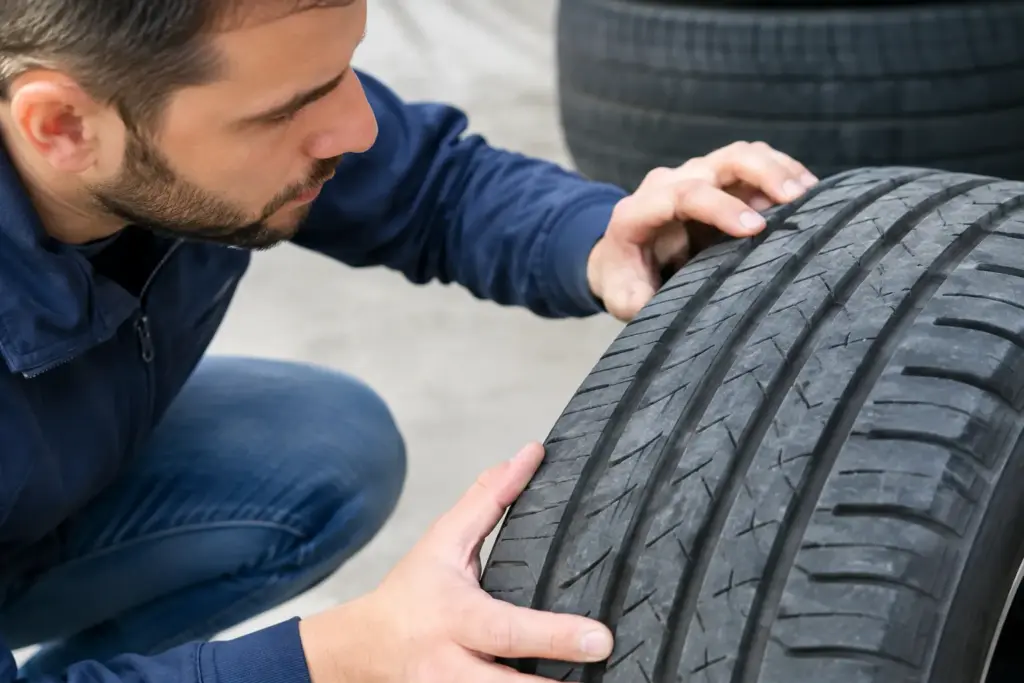
A used tire can look nearly new from ten feet away and still be the wrong buy for a loaded truck, tractor, skid steer, or off-road build. Evaluating used tire tread starts with depth, but depth alone does not tell you whether the tire will wear evenly, hold air, carry its intended load, or match the rest of your setup.
For surplus, takeoff, military, commercial, and industrial inventory, the right question is not simply, “How much tread is left?” Ask whether the remaining tread, casing condition, age, and wear pattern make sense for the job and the price. That is how you separate a practical value purchase from a tire that creates downtime.
Evaluating Used Tire Tread: Start With Depth
Tread depth is normally measured in 32nds of an inch. Use a tire tread depth gauge rather than relying on a visual estimate. Measure several points around the tire, including the center ribs and both shoulders. On lug tires, measure the usable depth of the lugs in more than one location.
A single deep measurement is not enough. A tire may show strong depth in the center but be worn heavily at one shoulder, or it may have a few tall lugs left while the working edges are rounded off. Ask for the lowest consistent measurement, not just the best spot on the tire.
What counts as usable depends on the application. A highway truck tire with shallow remaining tread may have limited wet-weather service left, even if it is legal for some uses. A farm tire may still be useful with reduced lug height if it is being used on firm ground or for lighter seasonal work. An aggressive off-road or military tread with moderate wear can remain effective, but reduced lug height means less traction in mud, snow, loose soil, and steep terrain.
For a matched set, tread depth should be close across all tires. Differences matter on drive axles, four-wheel-drive vehicles, all-wheel-drive equipment, and applications where tire circumference affects driveline operation. Verify the actual rolling diameter when the equipment is sensitive to mismatched tire sizes or wear.
Read the Wear Pattern Before You Buy
Tread wear is evidence. It can tell you how a tire was inflated, aligned, loaded, and operated before it entered surplus inventory.
Even wear across the tread is generally what you want. It suggests the tire was run at a reasonable inflation pressure and had no major alignment problem. That does not guarantee a perfect casing, but it is a good starting point.
Center wear can indicate chronic overinflation. The tire may still have usable shoulder tread, but the reduced center depth can shorten remaining service life. Both-shoulder wear often points to underinflation or heavy loading. On highway applications, this can generate more heat and raise concern about casing fatigue.
One-sided shoulder wear is a bigger flag. It may be the result of alignment, suspension wear, axle issues, or hard use on crowned roads. On agricultural and industrial tires, uneven wear can also come from repeated operation on pavement, turning under load, or use on equipment with incorrect inflation.
Look closely for cupping, scalloping, chopped lugs, and irregular block wear. These patterns may come from worn shocks, loose suspension components, imbalance, brake drag, or wheel-end problems. A tire with deep remaining tread but severe irregular wear can be noisy, rough-running, difficult to balance, and less useful than its advertised depth suggests.
Check the Shoulders and Sidewalls
The shoulder is where many used tires reveal their real condition. Inspect for cracking, exposed cords, separation, torn rubber, or signs that the tire ran overloaded or flat. A worn shoulder is one issue. Structural damage is another.
Sidewalls deserve the same attention as the tread. Minor surface weathering may be acceptable on some low-speed or specialty applications, depending on the tire’s age and intended use. Deep cracks, bulges, cuts into the cord body, bead damage, or visible repairs require a more cautious decision. On a commercial vehicle, aircraft application, loaded trailer, or high-speed road use, the standard should be much stricter than it would be for a low-speed yard machine.
Do not confuse a heavy-duty sidewall with an indestructible one. Military-spec, OTR, and commercial tires are built for demanding work, but previous service still matters. A strong casing is valuable only if it remains sound.
Confirm Tire Age and Storage History
Find the DOT date code on the sidewall. The last four digits identify the production week and year. For example, 2323 means the tire was made in the 23rd week of 2023.
Age is not an automatic rejection, especially with new old stock and properly stored surplus tires. Storage conditions matter. Tires kept indoors, away from direct sunlight, ozone-producing equipment, fuel, solvents, and extreme temperature swings generally age better than tires left exposed outdoors.
Still, an older tire with good-looking tread requires a closer inspection. Rubber hardens over time, and internal degradation is not always obvious from a listing photo. This matters most for highway, heavy-load, high-speed, and safety-sensitive service. If a tire’s age, condition, or storage history does not match your application, buy for the application rather than for the apparent bargain.
Look for Repairs, Plugs, and Casing Damage
A professionally repaired puncture in the crown area may be acceptable in some applications. It depends on the repair method, tire type, location of the injury, and intended use. A repair near the shoulder or sidewall is more concerning because those areas flex heavily.
Inspect the inside when possible. External plugs can hide the extent of a puncture, and a tire can look clean on the outside while showing prior damage, patches, liner issues, or signs of moisture intrusion inside. If you are buying a single tire for a non-critical trailer or utility application, your risk tolerance may differ from a fleet buyer purchasing steer tires or a contractor mounting tires on essential equipment.
Also inspect the bead area. Torn beads, corrosion damage, stretched areas, and sealing issues can turn a low-cost tire into a mounting problem. This is especially relevant for used wheels, beadlock-style assemblies, multi-piece rims, and equipment that operates at lower pressures.
Match the Tread to the Work
The most aggressive tread is not always the best tread. Deep open lugs provide traction in mud, loose ground, and off-road conditions, but they can wear quickly and ride roughly on pavement. Ribbed commercial patterns are better suited to highway stability and steering positions, while mixed-service patterns balance road wear with traction for construction, logging, and jobsite work.
For agricultural tires, check lug direction, spacing, and remaining lug edge. Rounded, worn lugs may still work for transport or light-duty field use, but they lose bite under draft load. For industrial and OTR tires, inspect for chunking, cuts, heat checking, and damage between lugs. These tires often work in harsh environments where casing condition matters as much as visible tread.
For military vehicle collectors and off-road buyers, confirm the tire’s actual size, load rating, construction, and wheel compatibility before focusing on tread. A hard-to-find tire with excellent lugs is not a solution if it does not fit the wheel, clear the vehicle, or meet the load requirement.
Ask for the Details That Matter
A usable condition description should tell you more than “good tread.” Before buying, confirm the tire size, load range or ply rating, tread depth in 32nds, DOT date code if available, repair history, and any known defects. Request photos of the full tread face, both sidewalls, bead areas, and close-ups of any wear or damage.
For multiple tires, ask whether they are a matched set. Confirm whether tread depths are measured individually and whether the tires came from the same vehicle or equipment. If shipping is involved, also account for total landed cost. A lower purchase price can lose its advantage if the tire is mismatched, difficult to mount, or too worn for the work you need it to do.
MilitaryTires.ca buyers often source specialized takeoffs and surplus inventory because the right size or tread pattern is difficult to find through standard retail channels. That makes careful condition review part of the buying process, not an optional extra.
A used tire is a value purchase when its remaining tread and casing condition fit the job in front of it. Measure it, inspect it, match it to the equipment, and buy with enough service life left to make the installation worthwhile.
