

Uncategorized
Are Used OTR Tires Safe for Heavy Equipment?
Aug
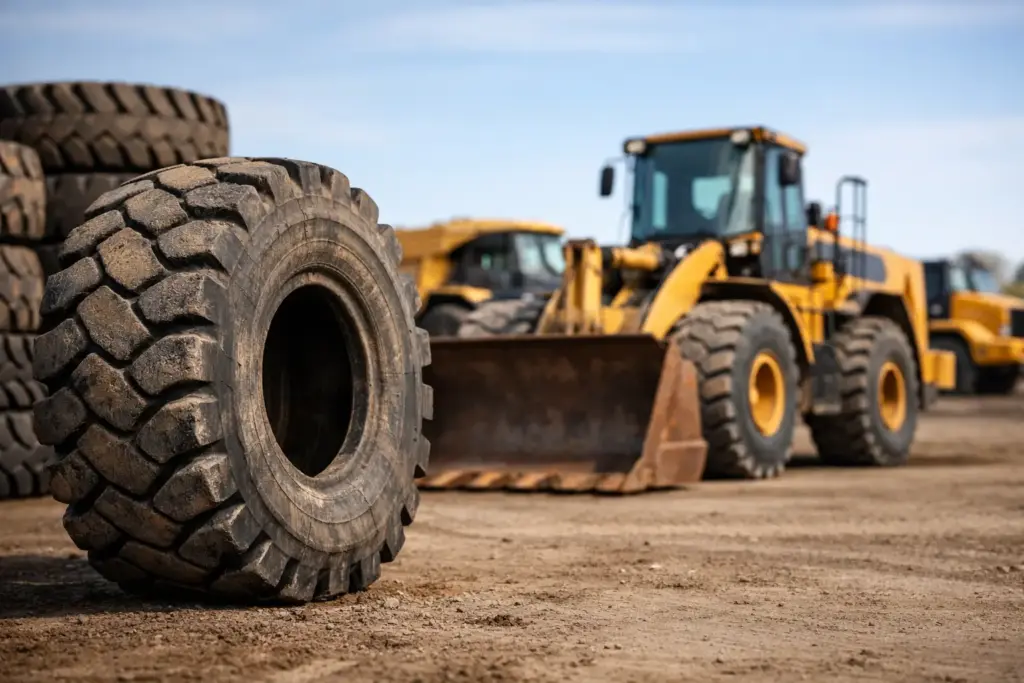
A used 29.5R25 loader tire can cost far less than a new replacement, but it still has to carry the same machine, load, heat, and jobsite abuse. So, are used OTR tires safe? They can be, provided the tire is the right specification for the machine and its condition has been properly evaluated before it goes into service. A low price does not make a damaged casing safe. A sound, correctly matched used tire can be a practical way to keep equipment working without paying new-tire pricing.
OTR tires work in demanding conditions. Loaders, graders, haul trucks, scrapers, forklifts, and other off-road equipment put high stress on sidewalls, beads, tread blocks, and casings. The decision to buy used should be based on inspection and intended use, not tread depth alone.
What Makes a Used OTR Tire Safe?
A safe used OTR tire starts with a usable casing. The casing is the structure beneath the rubber that carries the load and holds the tire together. Tread can look acceptable while the casing has damage that makes the tire unsuitable for service. That is why serious buyers inspect the entire tire, inside and out, before mounting it.
The right tire also needs to match the application. A tire that is safe on a slow-moving loader in a yard may not be the right choice for a haul truck making repeated loaded runs over rock. Heat, distance, travel speed, load weight, surface conditions, inflation pressure, and operating hours all change the risk level.
A used tire in good condition is not automatically safe for every machine. Conversely, a tire with moderate tread remaining may be a solid value when it is used within a lower-speed, lower-abuse application and has a clean casing.
Start With the Tire’s Application and Rating
Before looking at condition, confirm what the machine requires. Match the tire size, rim diameter, ply rating or star rating, load index where applicable, tread type, and approved inflation range. An OTR tire that physically fits a wheel is not necessarily rated for the same load or duty cycle.
For example, a hard-surface quarry operation can generate more heat and cutting damage than a farmyard or light industrial site. Deep tread may be valuable for traction in loose material, while a smoother pattern may be better suited to packed ground or yard work. Using the wrong tread design can lead to rapid wear, reduced traction, or unnecessary casing stress.
Check whether the equipment manufacturer specifies radial or bias construction. Mixing construction types on the same axle is generally a poor practice unless the equipment manufacturer and tire guidance specifically allow it. Radial and bias tires flex differently, carry loads differently, and can affect handling and wear.
The same rule applies to tire diameter. On drive axles and four-wheel-drive equipment, major differences in rolling circumference can create drivetrain strain, uneven traction, and accelerated wear. If replacing one tire, measure the remaining tire and compare overall diameter, not just the size molded into the sidewall.
Know the Difference Between Remaining Tread and Remaining Life
Tread depth matters, especially on machines that need traction in mud, snow, aggregate, or loose soil. But tread is only one part of remaining service life. A tire with 70 percent tread may have sidewall weather checking, bead damage, deep cuts, or internal separation. Those issues can end its useful life well before the tread is worn down.
Look for even wear across the tread face. One-sided wear, irregular wear, exposed belt material, missing lugs, or localized flat spots can point to alignment issues, low inflation, overload, wheel problems, or past abuse. The cause matters. Mounting another tire without correcting the machine issue may damage the replacement quickly.
Inspect the Casing, Sidewalls, and Beads
A proper inspection should be done in good light with the tire clean enough to see its condition. If buying remotely, ask for clear photos of the tread, both sidewalls, beads, tire markings, and any repairs. For higher-value OTR sizes, an in-person inspection is worth the time or cost.
Pay close attention to these areas:
- Sidewalls: Reject tires with deep cuts, bulges, exposed cord, widespread cracking, or damage that reaches the body ply. Sidewalls flex constantly, and damage here is more serious than a shallow cosmetic scuff.
- Tread and shoulders: Look for cuts, chunking, belt exposure, puncture injuries, and separated tread blocks. Check shoulders closely because this is where many rock and curb impacts show up.
- Beads: Torn, distorted, corroded, or heavily damaged beads may not seal correctly on the rim. Bead damage can also make mounting unsafe.
- Interior: If possible, inspect inside the tire for loose liner, moisture damage, repair patches, rubbed areas, or signs of separation. The inside often tells a different story than the outside.
Bulges deserve special caution. A bulge can indicate broken cords or separation beneath the rubber. It is not a condition to ignore because the tread looks good elsewhere. Likewise, visible cords, belt material, or a major sidewall cut are reasons to take the tire out of consideration for normal service.
Repairs Are Not Automatically a Deal Breaker
A professionally completed repair is different from a questionable field patch. OTR tires are often repairable because their casings are built for demanding use, and a properly repaired tire may provide useful service in the right application. The repair location, size, method, and intended duty all matter.
Small tread-area puncture repairs are generally less concerning than major sidewall or shoulder repairs. Repairs near high-flex areas need more scrutiny. A buyer should know what was repaired and why. If the seller cannot identify a visible repair, assume more inspection is needed before purchase.
Do not confuse a repairable tire with a tire that should be used in any role. A repaired tire may be appropriate for a lower-speed support machine, a spare, or limited-use equipment, while a high-production haul application may call for a cleaner casing or new tire. Safety and economics both improve when the tire is assigned to work it is suited to handle.
Age Matters, but Storage History Matters More
Old stock and used stock are not the same thing. A used tire has operating history. New old stock may have little or no service time but could have spent years in storage. Either can be usable, but both need inspection.
Read the DOT date code when it is present and accessible. Age alone does not automatically condemn an OTR tire, particularly one stored indoors, dry, and away from direct sunlight. However, age should raise the level of scrutiny. Ozone, UV exposure, heat, moisture, and improper storage can dry the rubber, create cracking, or degrade the casing over time.
A tire that sat outdoors in direct sun, under load, or in standing water deserves more caution than a tire stored correctly in a warehouse. Look for weather checking around the sidewall lettering, rim area, and between tread blocks. Fine surface checking may not always remove a tire from light duty, but deep cracking or cracking that exposes reinforcement is a clear problem.
Mounting and Inflation Can Make a Good Tire Unsafe
Even a sound tire can become dangerous if it is mounted incorrectly. OTR assemblies are heavy, high-pressure components. Use qualified tire personnel, proper lifting equipment, compatible rims, correct hardware, and approved inflation procedures. Never improvise with damaged lock rings, mismatched wheel components, or unverified multi-piece rims.
Confirm that the rim is correct for the tire and free from severe corrosion, cracks, weld damage, or distorted bead seats. The tire, rim, tube or flap where applicable, and valve hardware all work as a system. A used tire cannot compensate for a bad wheel.
Inflate only to the pressure required for the actual load and operating conditions. Underinflation creates excess flex and heat. Overinflation can reduce traction, increase impact damage, and place unnecessary stress on the tire and machine. After mounting, recheck pressure during the first days of service and watch for temperature, vibration, or unusual wear.
When Used OTR Tires Make the Most Sense
Used OTR tires are often a practical purchase when the machine has intermittent use, operates at low speed, works on a controlled surface, or needs a cost-effective replacement to stay productive. They can also make sense for older equipment, seasonal equipment, backup machines, restoration projects, and operations where new specialty sizes are expensive or hard to source.
They are less attractive when downtime is extremely costly, the equipment operates at high production levels, loads are near the tire’s limits, or the site is highly abrasive and impact-prone. In those situations, the savings from a used tire can disappear quickly if it fails early or creates an unscheduled shutdown.
For fleets and contractors, consistency matters. Matching tire condition and diameter across an axle helps simplify maintenance and avoids one weak tire becoming the next problem. For a single machine, buying a clean matched pair may be smarter than buying one bargain tire with unknown wear.
Buy on Condition, Not Just Price
Surplus inventory can give equipment owners access to hard-to-find OTR sizes, brand-name casings, takeoffs, and new old stock at useful prices. The value is real when the tire’s condition is clearly described and the buyer knows the job it will perform. MilitaryTires.ca buyers often shop specialized inventory because availability matters, but fitment and condition should always lead the purchase decision.
Ask direct questions before buying: What is the actual tread depth? Are there repairs? Are there cuts, bead issues, weather checking, or exposed cords? Is the tire sold as inspected, used, takeoff, or new old stock? Is it intended for a specific application? Clear answers are more valuable than a vague statement that the tire is “good.”
A used OTR tire should earn its place on the machine. Verify the rating, inspect the casing, match the tire to the work, and have it mounted correctly. That approach turns a surplus tire purchase into operational value rather than an expensive shortcut.
